January and February: the cold-and-cheap window
Sofia in deep winter is cold — daytime highs of 2 to 5 degrees, night lows regularly minus 5 to minus 10, and 2 to 4 snowfalls a month that leave pavements slushy for a day or two before they clear. Vitosha mountain above the city gets serious snow and the ski runs at Aleko open. Hotel rates hit their annual low: expect 20 to 30 percent below summer rates across every category. Restaurants are quieter, sights are empty, and the city has a Nordic-melancholy feel that is genuinely charming if you like cold-weather cities.
The trade-offs: short days (sunset around 4:30pm in January), grey skies more often than sunny, and outdoor cafe culture entirely paused. This is not a season for terrace lunches. It is a season for museums, mehanas, spa hotels, and a day trip up Vitosha for the snow. If you specifically want a cheap Sofia break and do not mind the cold, January is arguably the best-value month of the year — I would come in January for €48 a day where the same trip costs €65 in June.
March and April: unpredictable shoulder
March is the least reliable weather month in Sofia. It can be spring-like with 15 degree highs and cafe terraces reopening, or it can be a return of winter with snow flurries and grey skies. Average highs 8 to 12 degrees, night lows 0 to 4. Rates are still cheap through mid-March then start climbing. April is a genuine improvement — highs 14 to 18 degrees, cherry blossoms in the parks, and the first real week of proper spring. Baba Marta (the Bulgarian spring festival) on 1 March is a nice cultural moment even if the weather has not caught up.
The specific pick within these two months is mid-April to early May, which catches the leaves coming back, the parks looking their best, and Vitosha visible in the clear post-winter air. Rates are still 10 to 15 percent below summer peaks. The catch is Orthodox Easter, which falls in April or early May depending on the year and pushes rates up 30 percent over the long weekend. Check the date before booking. Otherwise, April is a solid month for anyone flexible enough to visit outside the school-holiday peaks.
May and June: the sweet spot
May and June are the two best months to visit Sofia, without much argument. Daytime highs 20 to 26 degrees, night lows 12 to 15, long days (sunset 8:30pm by mid-June), reliable sun with the occasional afternoon thunderstorm. The parks are green and full, the outdoor cafes are all open, the mountain is snow-free above 1,500 metres and hikable. Restaurants have their full menus running. Sofians are still in the city, so neighbourhoods feel lived-in rather than emptied out.
Rates are moderate — 10 to 20 percent above winter lows but 10 to 15 percent below July and August peaks. If I had to book Sofia for one week in the year, it would be the last week of May or the first week of June. The city is at its best and the crowds are minimal. The only real catch is that May has one or two Bulgarian public holidays that can push rates for those specific weekends: 1 May Labour Day, 6 May Georgi Day, and 24 May Culture Day.
July and August: hot and empty
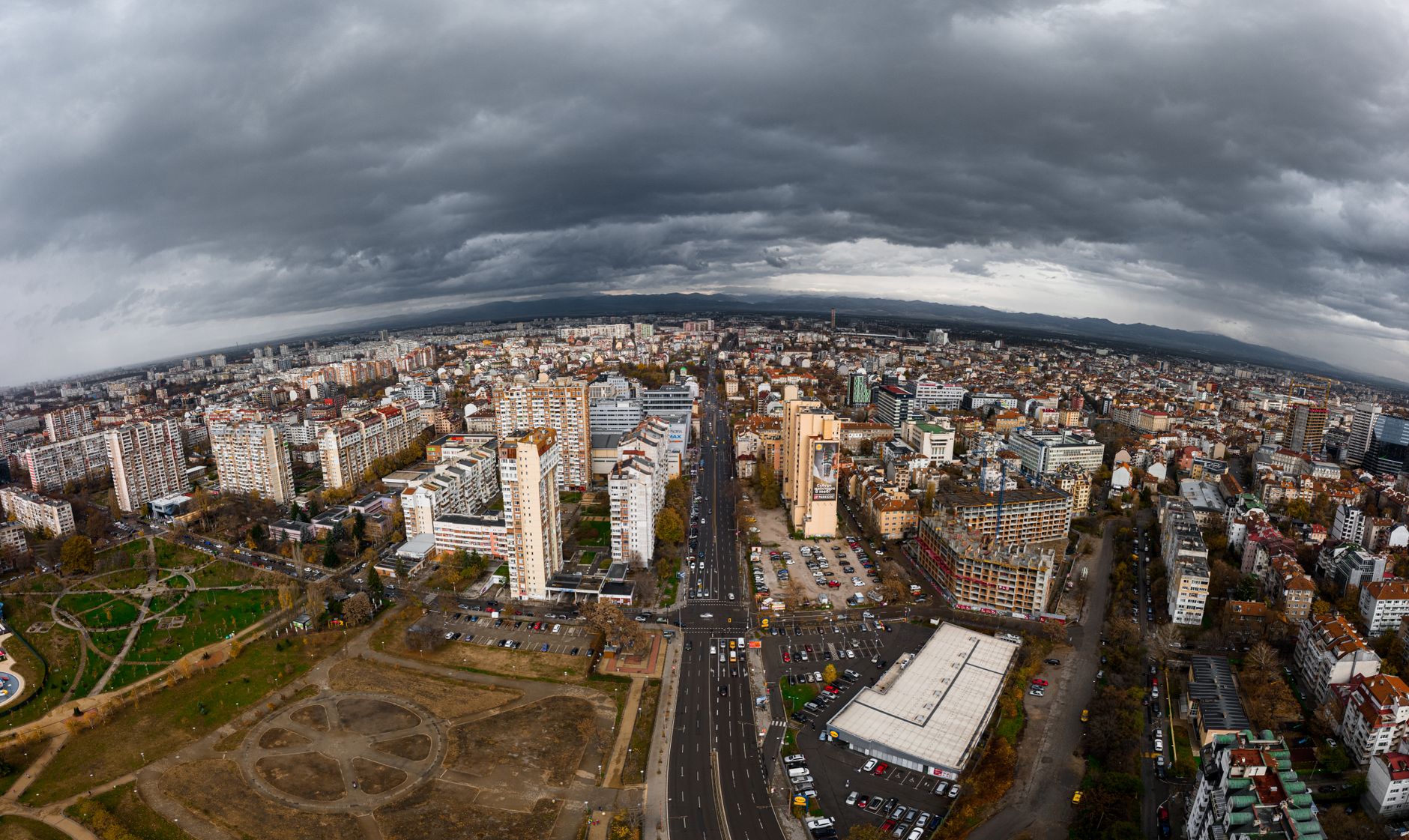
Sofia in high summer is 28 to 33 degrees most days, occasionally hitting 35, with warm nights and a slightly hazy feel from the heat and the surrounding traffic. It is not oppressive by Balkan standards — the 550-metre altitude keeps nights cool — but it is genuinely hot. The mountain is your friend: Vitosha at 1,800 metres is 10 degrees cooler than the city, and Sofians decamp there or to the Black Sea from mid-July through August. The city empties out. Restaurants close for two-week holidays. Weekends can feel deserted.
Rates: mixed picture. Tourist hotels charge summer peak prices (25 percent above shoulder), but many local businesses close or reduce hours, and the atmosphere is quieter than you would expect. Advantages of a July or August Sofia trip: cheap airfares, guaranteed sunshine, easy restaurant bookings (fewer locals eating out), and access to Vitosha and the mountain villages for cool escapes. Disadvantages: heat, dust, some things closed. If you like empty European cities in summer, it works; if you like buzz, come in June or September.
September and October: the other sweet spot
September is nearly as good as May and June. Daytime highs 22 to 28 degrees through the first three weeks, cooling to 18 to 22 by the end. Sofians come back from the coast around 1 September and the city returns to full life. October brings the foliage — Borisova Gradina and Yuzhen Park in mid-October are among the finest urban autumn spectacles in Europe, and Vitosha's beech forests turn spectacular. Highs 15 to 20 degrees, cool nights, still-usable outdoor seating with heaters at cafes.
This is the second-best window I would book for a Sofia trip if I could not do May-June. Rates are back down from summer peaks by mid-September, and October is 15 percent below June. The specific pick is the last week of September through mid-October: leaves at peak, weather reliable, city fully open, prices reasonable. After the third week of October the weather turns and it starts feeling autumnal in the grey way rather than the coloured way. Late October is fine but not special.
November and December: dark but atmospheric
November is Sofia's worst month by consensus. Grey, cold, wet, short days, no leaves left on the trees, and the outdoor cafe season firmly over. Daytime highs 5 to 10 degrees, night lows 0 to 3, and the mountain sometimes has snow while the city has rain. Hotel rates hit a low point. Come only if you want a very cheap city break and are happy to spend most of your time indoors. Museums, mehanas, spa hotels — these all work in November. Sightseeing walks do not.
December improves in the second half thanks to Christmas markets and general festive lighting. The two main Christmas markets on Sveta Nedelya square and around the Aleksandar Nevski cathedral run mid-December to early January and are decent — mulled wine, sausage stands, craft stalls. Rates spike for the New Year weekend (up 40 percent). Mid-December before the New Year rush is reasonable and atmospheric. Snow starts to feel like winter rather than autumn misery. Not the strongest month but not the worst either.
The verdict and the month I would pick
If I could choose freely, I would visit Sofia in late May or early June, or in the last week of September and first week of October. These are the two clear best windows. May-June wins on green freshness and long days; September-October wins on autumn colour and the just-back-from-holiday buzz. Both offer the whole city at its full functional capacity, with reasonable weather and reasonable rates.
The month I would specifically avoid is November, and the month I would only visit on a serious budget is January. Everything else has its merits. The Bulgarian public holiday calendar creates occasional rate spikes that are worth planning around: Easter (April or May), 6 May, 24 May, 6 September (Unification Day), and the New Year weekend. Move a booking by three or four days to dodge one of these and you can save €43 to €130 on the trip. Sofia rewards flexible dates more than most European capitals.
Questions, answered
Is Sofia worth visiting in winter?
Yes if you have specific reasons: cheap rates, snow on Vitosha for skiing at Aleko, spa hotels in Bankya, Christmas markets in late December. No if you specifically want walking-around-the-city sightseeing weather, which winter does not offer. January and February have the lowest rates of the year, often 30 percent below summer.
When is Vitosha mountain best?
For hiking: June through early October when the trails are clear of snow. For skiing: January and February when the snow at Aleko is at its most reliable. Late April and early May are the worst of both worlds — snow melting on the upper trails, mud everywhere. September is genuinely spectacular for a Vitosha day hike.
Are Bulgarian public holidays worth planning around?
Yes for two reasons: rates spike 20 to 40 percent on holiday weekends, and some businesses close (banks, government offices, some small restaurants). The big dates are 1 January, Orthodox Easter, 1 May, 6 May, 24 May, 6 September, and 24 to 26 December. Most tourist infrastructure stays open through holidays but is busier.
Doing good is the business: every booking through Stay Sofia funds one verified tonne of carbon removal — same room, same price, no markup.
Start your search