Seasons & events
Sofia's microclimates: how weather differs between neighbourhoods
Sofia sits in a bowl and the temperature swing between Lozenets in the centre and Simeonovo at the mountain's edge is often 8-12°F on the same afternoon.
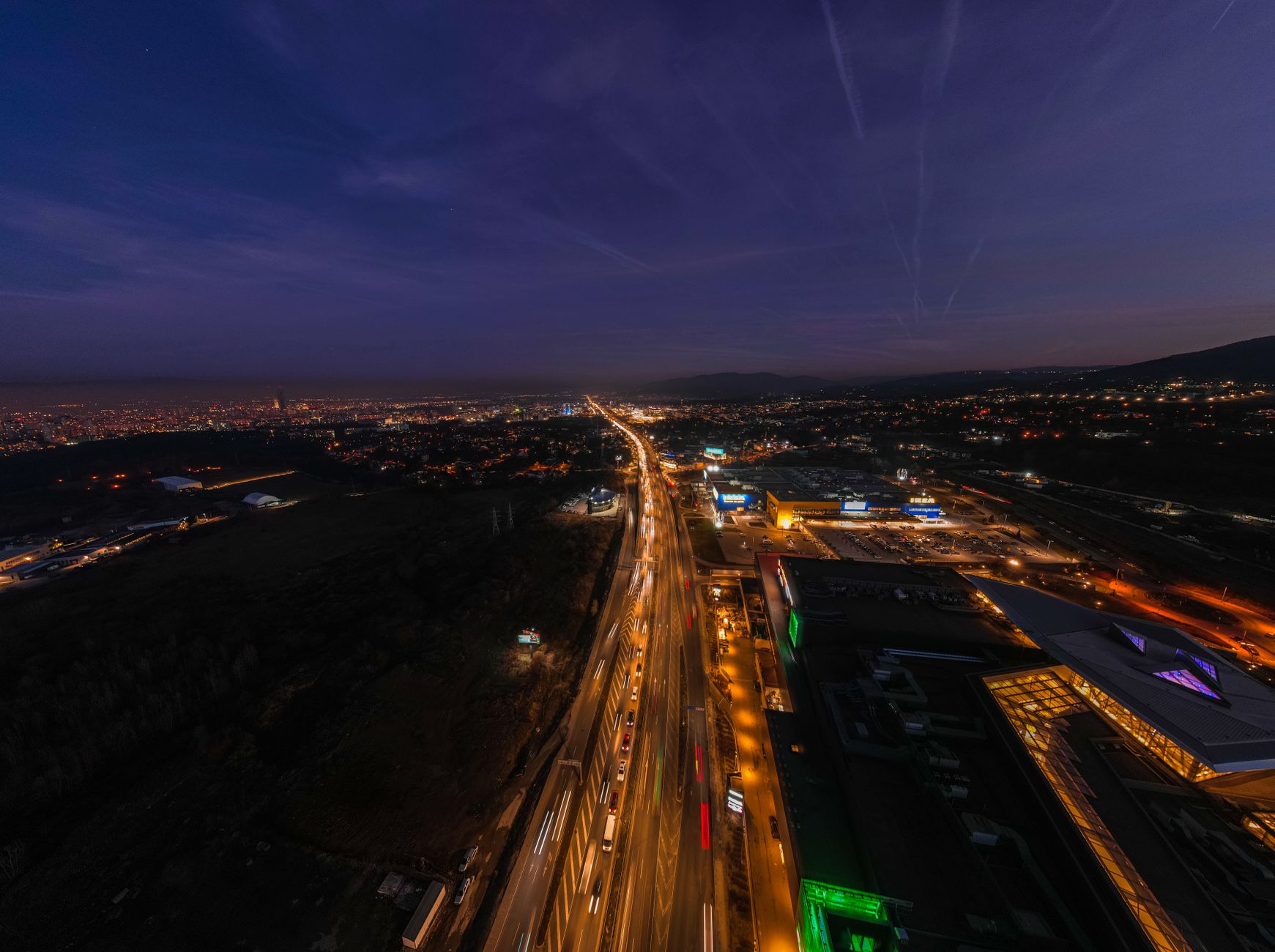
Why the neighbourhood matters for weather
Sofia sits in a shallow basin ringed by mountains — Vitosha to the south, the Balkan foothills to the north, Lyulin and Lozenska to the east and west — and the geography creates real weather differences between neighbourhoods that visitors rarely account for. The centre (Sredets, Triaditsa, Oborishte) sits at about 1,800 feet elevation. The mountain-edge districts (Boyana, Dragalevtsi, Simeonovo, Knyazhevo) sit at 2,200-2,600 feet. That 400-800 foot rise produces temperature differences of 5-10°F on any given afternoon and dramatic differences in air quality on winter inversion days.
North-facing districts — Novi Iskar, parts of Lyulin, the industrial corridor along the Iskar River — catch the winter wind coming off the Balkan foothills and run 3-5°F colder than the centre in January. South-facing slope neighbourhoods — Boyana, Dragalevtsi, Gorna Banya — get more sun exposure and drain summer heat faster overnight. For a summer visit these differences argue for staying south and high; for a winter visit they argue for staying central and low, where the wind is blocked and the wood-smoke doesn’t always settle.
The winter inversion problem
Between roughly November 15 and February 20, Sofia's basin geography traps cold air at the bottom of the bowl on windless days. Wood-smoke from household heating in the outer neighbourhoods, exhaust from ring-road traffic, and industrial emissions from the Kremikovtsi corridor all accumulate at the centre's elevation. The air quality index (AQI) crosses 150 on 20-30 days each winter and occasionally hits 300+ during the worst inversion days in December and January. The centre — Sredets, Serdika, Vazrazhdane — is where it settles thickest.
The mountain-edge neighbourhoods stay above the inversion. On a bad day in December, the AQI in Sofia's centre might read 220 while Simeonovo at 2,400 feet reads 45. This is a genuine health difference, not a marginal one. If someone in your party has asthma, cardiovascular issues, or is under two years old, book Boyana, Dragalevtsi, Simeonovo or Knyazhevo for a winter visit and taxi in for sightseeing (€5-€8 each way). The 15 minutes of exposure crossing the city is nothing; sleeping eight hours a night in AQI 220 is real damage.
Summer heat: where to be and where to avoid
In July and August, when centre highs hit 90-95°F, the temperature at Boyana Church (2,400 feet) is 82-87°F, and at Aleko on Vitosha (5,900 feet) it's 68-72°F. This isn’t a marginal effect — sleeping in Simeonovo at 78°F overnight versus in Serdika at 84°F overnight is the difference between air conditioning being a nice-to-have and being essential. Older buildings in the centre that used to work without AC don’t function above 90°F, and the interwar Habsburg-style apartments in Oborishte hold heat for days after a hot spell.
The counter-argument is the walking. Boyana to Nevsky is a 20-minute taxi ride (€6-€9) or a 45-minute bus. If you’re doing 10,000 steps a day in the centre and just want a cool bed at night, up-slope is worth it. If you’re doing museum-and-restaurant days where you’d rather walk between everything, the centre with a strong AC unit is the practical choice. The specific worst combination in July: a ground-floor Oborishte apartment with a window unit and street noise. The specific best: Boyana four-star with the window open and Vitosha air at 76°F at 2 a.m.
Wind, rain and afternoon storms
Sofia's afternoon summer storms build over Vitosha and roll down onto the city between 4 and 7 p.m. from roughly late May through August. The southern and central neighbourhoods (Boyana, Dragalevtsi, Lozenets, Triaditsa, Sredets) get the full brunt — heavy rain, wind gusts to 40 mph, occasional hail on the worst days. Northern neighbourhoods (Nadezhda, Novi Iskar, Serdika) often get glancing hits or miss entirely as the storm cell dissipates over the basin. If you’re planning an evening outdoor event in July, the north side is the safer bet.
Winter wind patterns reverse. The cold northeasterly (called the 'buchan' locally) that arrives in December and January cuts across the basin from Novi Iskar toward the mountain wall, which means north-facing streets in Vazrazhdane, Nadezhda and the Central Station area feel 5-8°F colder than the sheltered streets of Oborishte and southern Sredets. For a winter visit, booking a hotel on a south-facing street between two other buildings is a real comfort win. It sounds obvious but the temperature differential on a walk from your hotel to breakfast at 8 a.m. in January is genuine.
The specific case of Bankya and Gorna Banya
Bankya sits 20 minutes northwest of the centre in a shallow bowl of its own, and its microclimate is meaningfully different from Sofia's. Winters are colder — the north-facing valley catches wind and sits at 2,100 feet — but summers are more moderate. The town is a genuine spa destination built around mineral springs that come out at 96-100°F year-round. In July, when the centre hits 92°F, Bankya sits at 86°F. In January, when the centre hovers at 34°F, Bankya reads 30°F.
Gorna Banya is closer in and higher, at 2,300 feet on the western slope. Its mineral springs are cooler (75-82°F) but the microclimate is milder than Bankya's — protected from the northeasterly by the ridge behind it, catching afternoon sun on its east-facing terrace. For a spa-focused stay in winter, Gorna Banya is the smart pick over Bankya on weather grounds alone; the drive to the centre is 15 minutes rather than 25, and the wind is less brutal. Both districts run spa hotels at €74-€113 a night with half-board and full pool access.
Air quality: real numbers, real neighbourhoods
On a typical December weekday morning during an inversion, the AQI readings across Sofia look roughly like this: Serdika 180, Vazrazhdane 210, Sredets 165, Lozenets 145, Studentski 120, Boyana 55, Simeonovo 40, Aleko (on Vitosha at 5,900 feet) 25. These are real numbers from the government monitoring network, published live on the Sofia municipal air quality dashboard. The pattern holds — north and centre worst, south and up-slope best — from about November 20 to February 20 whenever a high-pressure system parks over the basin.
For a visitor with any respiratory sensitivity, the practical rule is: check the AQI on your phone the morning of arrival and stay outside the centre if it's above 150. A five-day visit in January can easily include three good-air days and two bad-air days; on the bad days, plan indoor sightseeing (museums, thermal baths, cafés) rather than long walks. Cheap N95 masks work; they’re sold at most pharmacies for €1-€2 each. Sofia locals wear them on the worst days without embarrassment, and no one will look twice at you for wearing one.
The right neighbourhood for the right season
Summer (June-August): south and up-slope. Boyana, Dragalevtsi, Simeonovo win on temperature and air. If you must be central, choose a modern building with proper AC in Triaditsa or southern Sredets, and avoid ground-floor rooms. Autumn (September-November): centre is fine, weather is at its most stable, air quality is good until the last two weeks of November. Winter (December-February): mountain-edge for air quality if you have respiratory concerns, otherwise centre works with an awareness that outdoor time might be limited on inversion days.
Spring (March-May): centre is genuinely the best choice. Temperatures are moderate everywhere, air quality has cleared, blossom lines the central streets, and the walking is easy. Sredets, Oborishte, Triaditsa and Doctor's Garden all work equally well and hotel prices are at their most negotiable. This is the season where the microclimate differences matter least — a random hotel booking will produce roughly the same weather experience as a carefully-chosen one. Save the mountain-edge premium for a summer or winter visit where it actually pays back.
Questions, answered
Is the air pollution really bad enough to plan around?
On the worst 15-20 days each winter, yes. AQI readings above 200 are genuine health concerns for asthma sufferers, small children, and people with cardiovascular conditions. On the other 100 winter days it's not a factor. Check the Sofia municipal air quality dashboard on your phone during any winter visit; adjust plans based on what you see, not the abstract worry.
How much of a taxi budget do I need if I stay up-slope?
Round-trip taxis from Boyana or Simeonovo to the centre run €10-€16 total per day. Over a five-night stay that's €52-€78 in transport that a centre hotel wouldn’t require. Compare that to what you save on the room rate — up-slope hotels can be €17-€26 cheaper per night — and it often nets to breakeven or better with the added benefit of the microclimate.
Which neighbourhood has the most consistent weather year-round?
Dragalevtsi, roughly. At 2,300 feet on the south slope, it's above the winter inversion, protected from the northeasterly wind, cooler in summer than the centre, and consistently 5-8°F milder than Bankya on a bad winter day. The trade-off is the 15-minute taxi to sightseeing, which some visitors love and others find tiresome by day three.
Doing good is the business: every booking through Stay Sofia funds one verified tonne of carbon removal — same room, same price, no markup.
Start your search