Day 1, morning — Serdika and the yellow cobbles
Start at Sveta Nedelya Square at 09:00. Walk the Roman Serdika complex (free, 45 minutes), the St. George Rotunda inside the Presidency courtyard, and the Banya Bashi Mosque cluster on Banski Square. This is the archaeological core of the city and setting it straight in your head on the first morning makes everything else make sense. Buy a banitsa and boza from Furna in the Halite covered market for breakfast — €2, and it is the pastry every Bulgarian eats. Skip the Central Mineral Baths museum today; you will come back on day two.
From 11:00, walk east along Moskovska Street to Alexander Nevsky Cathedral. The nave is free; the icon crypt (€4) needs 45 minutes and is essential — the 13th-to-19th-century Bulgarian iconography here is on par with the Tretyakov in Moscow. Pair it with the 6th-century St. Sofia Church and its underground necropolis (€3) directly opposite. The two together tell you why the city is called what it is called. Finish morning with coffee at Dъb on Shipka Street — €2 for a flat white, and it is the neighbourhood's actual local.
Day 1, afternoon — museums and the royal quarter
Lunch at Shtastlivetsa on Vitosha Boulevard or, better, Manastirska Magernitsa on Han Asparuh in Ivan Vazov — the latter is a monastery-cuisine restaurant with 150 dishes on the menu and a shaded courtyard. €16-€22 per person. Then walk to Battenberg Square and pick one of the National Gallery (€3, in the former royal palace) or the Ethnographic Museum (€3, in the other wing). Ninety minutes each. The Gallery is stronger on 20th-century painting; the Ethnographic Museum is where you learn about the folk textiles you will see for sale everywhere.
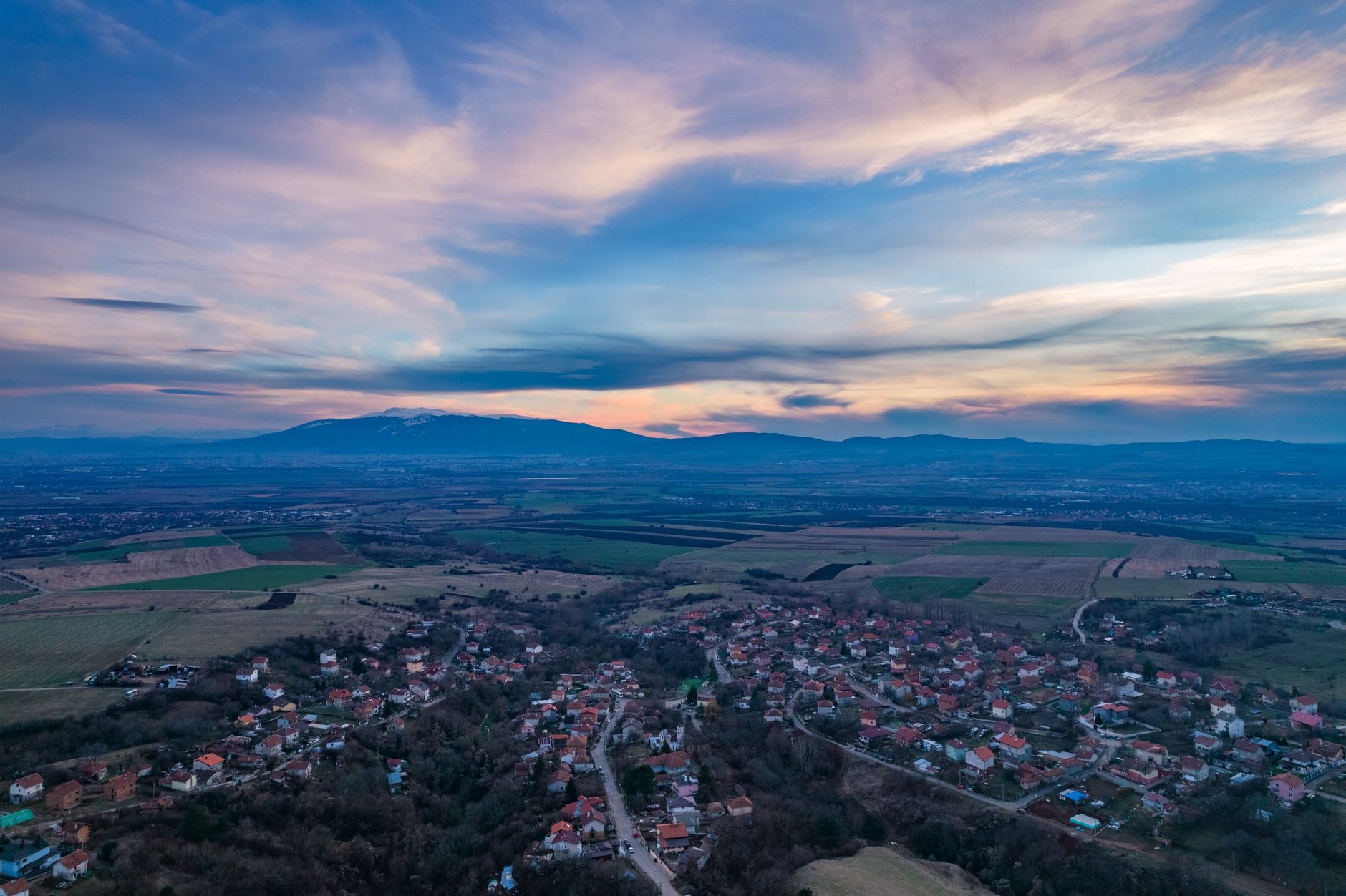
At 16:00, walk south through Crystal Garden and the yellow-cobbled Tsar Osvoboditel Boulevard past the Russian Church, the Military Club and the Ivan Vazov National Theatre. This is the imperial city that Prince Alexander of Battenberg and Ferdinand built in the 1880s and it is Sofia's most European stretch. Sit in the theatre's front garden with a coffee — the fountain and the Art Nouveau facade are the city's best free experience. Finish at NDK's rooftop terrace for sunset over Vitosha mountain, which fills the southern skyline like a wall.
Day 1, evening
Book Cosmos on Lavele Street for dinner — modern Bulgarian cooking, €30-€39 per person, and probably the single restaurant that best represents where Sofia's food scene is in 2026. The mavrud pairings are worth the extra €13 for the wine flight. Reserve two days ahead for a Friday night. If Cosmos is full or over-budget, Made in Home two streets away runs €19-€26 for similar cooking with a more casual room and no wine flight. Both are 10 minutes by taxi from any central hotel.
After dinner, Hambara (candlelit cellar bar, no sign, wooden gate on 6 Septemvri Street) is the atmospheric drink, €3 for a beer. If you want cocktails, One More Bar on the same block does €7-€9 negronis. For live music, Sofia Live Club under NDK books Bulgarian and Balkan acts most Fridays — check the listings and buy tickets on the door for €9-€13. Do not go to Studio 5 or the Chervilo brand of tourist clubs; the crowd is out-of-towners paying triple for imported spirits.
Day 2, morning — Vitosha mountain
Saturday morning belongs to the mountain. Take the metro to Vitosha station (€2, 20 minutes from the centre) then bus 66 or a €10 taxi to Aleko hut at 1,800 metres. The whole approach takes 60-75 minutes door to door. From Aleko you can walk the marked path to the Cherni Vrah summit (2,290 m) in about 90 minutes each way — it is a fitness-not-technique climb, no scrambling, but bring layers because the temperature drops 8-10°C from the city. In winter (December-March) this becomes the ski area and the summit walk is a proper snow hike requiring boots.
If you do not want the summit, the alternative is to stop at Boyana Church on the way up. Timed entry, €4, ten minutes inside, and the 1259 frescoes are one of the most important pre-Renaissance paintings anywhere in Europe. Combine with the National History Museum next door (€5, 90 minutes) and you have a strong half-day without the altitude. Either version — mountain or church — gets you back to the centre by 14:00. Do not try to do both on the same morning; the logistics eat the day.
Day 2, afternoon — the mineral baths and Zhenski Pazar
Lunch back in the centre — try Skara Bar on Lavele for Bulgarian grill (€13-€17) or Sun & Moon for vegetarian (€10-€13) — then walk to the Central Mineral Baths and the Sofia Regional History Museum (€3). This is the museum you skipped yesterday, and 90 minutes here fills in what daily life in Sofia was actually like from 1878 to 1944. The building is a 1913 hammam and the exhibition uses the old bathing halls as rooms, which is a story in itself.
From the baths, walk five minutes north to Zhenski Pazar (the Women's Market) on Stefan Stambolov Boulevard — the working produce market of the city. Sunday is quieter but Saturday afternoon is peak. Buy honey, walnuts, sheep cheese, and rose oil (real, not the tourist-shop stuff — €7 for a proper 10ml vial). This is where locals shop and prices are a third of what you pay on Vitosha Boulevard. Allow an hour. If you want a coffee break, Cafe Kaldata on the market's north end is a proper old-Sofia café, €1 for espresso.
Day 2, evening — a different neighbourhood
For your second dinner, cross into a neighbourhood you have not seen yet. Lozenets, 15 minutes south of the centre by taxi, has the strongest concentration of newer restaurants in the city — try Cosmos's sister project or Ъгъла on Krum Popov Street (€26-€35 per person, modern Balkan). Alternatively, Oborishte's townhouse restaurants — Talents by HRC on Budapesht Street is the reliable one, €22-€30 — put you in the 1900s-era diplomatic quarter with the best interwar architecture in Sofia.
After dinner, if you have energy, the bars on Shishman Street in Sredets are the walk. Raketa Rakia Bar for the local spirit (€3-€4 a shot, 200 varieties), Hambara if you did not do it on Friday, or the newer wine bars on Angel Kanchev like Coz for natural Bulgarian wines by the glass (€5-€7). Sunday morning is your travel morning, so keep it civilised — but a weekend in Sofia without at least one proper rakia is a missed weekend. Ask the bartender for a Muscat from the Damyanitza region and taste the country from a glass.
Where to sleep both nights
Stay in the same hotel both nights — the centre is small enough that you never need to relocate. The best base is somewhere between NDK and Alexander Nevsky: a 10-minute walk to both ends of the itinerary. Four-star business hotels in this zone run €82-€130 with breakfast. The boutique townhouse hotels in Oborishte north of the cathedral are more atmospheric at €113-€165 and put you closer to the museum quarter for day two. Both categories have secure luggage rooms for late Sunday checkouts, which matters if your flight is in the evening.
Do not stay in Mladost, Studentski or the airport hotels for a weekend — the metro is easy, but you lose 45 minutes twice a day and Sofia is a city best consumed on foot. If budget is tight, hostels on Lavele and Positano streets in Vazrazhdane run €17-€26 a dorm bed with private rooms at €43-€61; these are the two best-located hostel streets in the city. A friend-of-friends apartment through Airbnb in Sredets or Oborishte runs €43-€78 a night and is genuinely a better product than most three-stars.
Questions, answered
Is two days better than one?
Substantially. One day forces you to skip Vitosha, the mineral baths museum, and any real evening. Two days lets you climb the mountain in the morning and still eat two proper dinners. If you have Friday evening plus Saturday and Sunday, you effectively have this itinerary.
When should I visit for this plan to work?
May-June and September-October are the sweet spots — mountain accessible without heavy snow, restaurants have outdoor seating, no summer crowds. July-August is hot in the city (32°C+) but perfect on Vitosha. December-March swaps the summit hike for the ski lift, which is its own good thing.
Can I do this without a car?
Yes, completely. The metro reaches Vitosha station and Boyana; taxis to Aleko or Boyana Church cost €9-€13. You will not use a car for a single stop on this itinerary. Save the €43 a day rental for a Rila or Plovdiv day trip on a third day.
What should I book in advance?
Dinner at Cosmos on Friday (two days ahead), Boyana Church timed entry (buy same day but early), and your hotel three weeks out for a weekend. Everything else is walk-in. Sofia is not a city where you need to plan the whole weekend by ticket.
Doing good is the business: every booking through Stay Sofia funds one verified tonne of carbon removal — same room, same price, no markup.
Start your search