The two low-season windows nobody talks about
Sofia has two low-season windows the tourism marketing carefully avoids naming. The first is roughly November 4 to December 5, between the end of golden autumn and the start of the Christmas market. The second is February 15 to March 15, after Valentine's weekend and before the March 3 national holiday. In both, central four-star doubles list at €65-€82, guesthouses at €35-€48, and short-let apartments at €39-€52. These are the cheapest weeks of the year, cheaper than January (which the ski demand props up) and much cheaper than shoulder season. Nobody tells you about them because they aren’t easy trips.
What you get in exchange for the low rate: grey skies (Sofia averages six sunny days in November, eight in February), cold that isn’t cold enough to be dramatic, bare trees, and a city genuinely getting on with its life rather than performing for visitors. What you don’t get: comfortable outdoor time, dramatic seasonal atmosphere, or the sense that anything much is happening. These weeks work brilliantly for a certain kind of traveller — museum-heavy, food-focused, budget-tight, indifferent to weather — and terribly for anyone else. Be honest with yourself about which you are before booking.
November's specific character and what closes
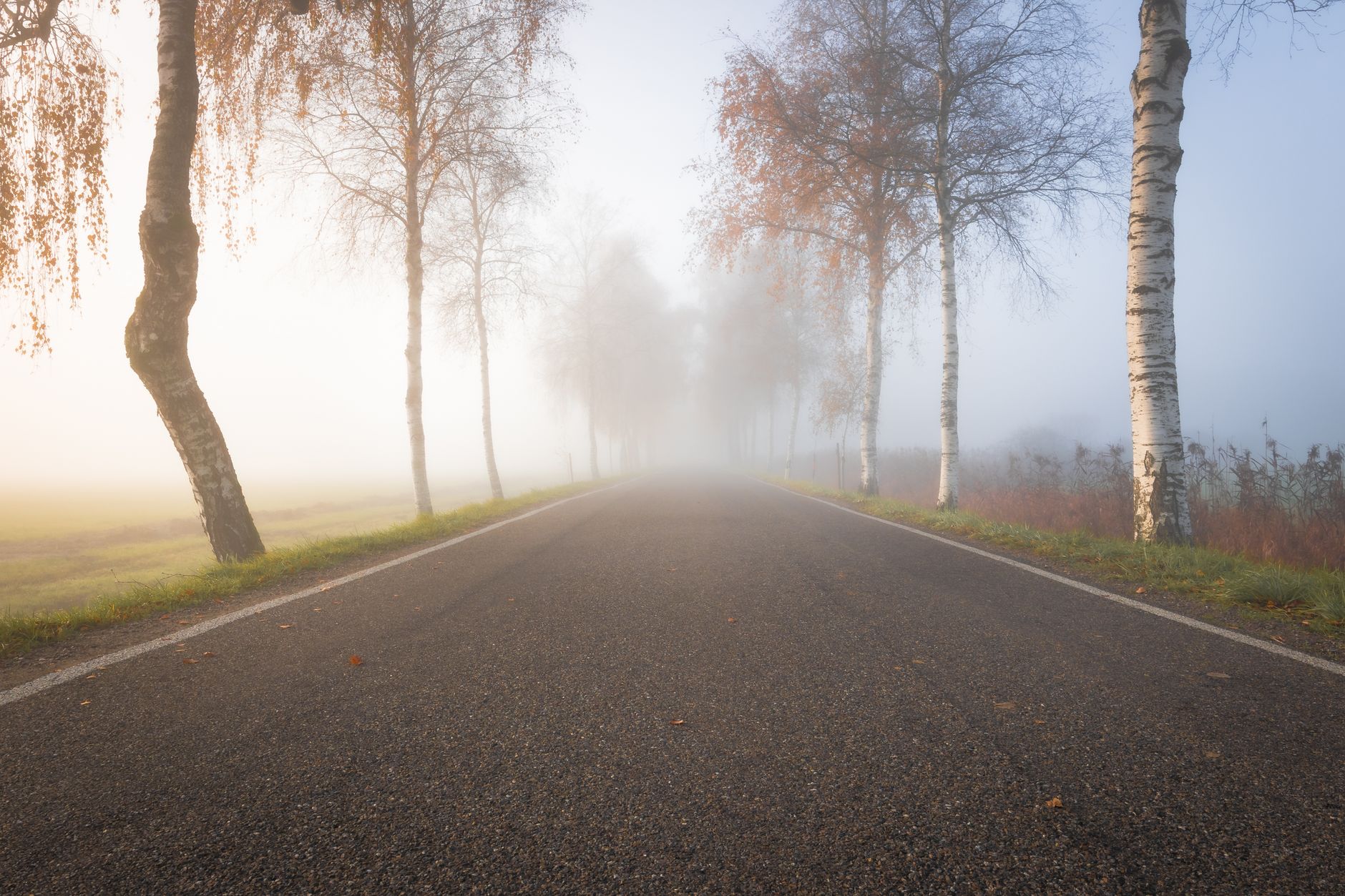
November in Sofia is the year's least photogenic month. The autumn leaf colour is gone by November 5 in most years, the Christmas market hasn’t started, terraces have folded up, and the light is flat and grey. Daytime highs run 8-13°C in the first two weeks and drop to 4-8°C by the end of the month. Rain arrives on nine or ten days across the month, often as drizzle rather than proper weather. Fog can settle over the city for entire mornings, particularly in the second half. The Central Mineral Baths and the thermal facilities in Bankya and Gorna Banya become the point of the trip.
What closes or reduces: the Vitosha lifts run weekends only if at all (opening dates vary with early snow), the outdoor sections of the National Historical Museum grounds in Boyana feel bleak, and every restaurant terrace is gone. What stays fully on: all the state museums, the Ivan Vazov and National Theatre, the Opera, the National Palace of Culture concert schedule, every mehana and the entire restaurant scene. This is the month to eat your way through Sofia. Kavarma, kapama, slow-cooked lamb, thick bean soup — Bulgarian winter cooking is genuinely comforting and every mehana runs its full menu.
February's different low season
February 15 to March 15 is a different kind of low. It's colder than November — daytime highs at 4-9°C, nights well below freezing in the first half — but the light is returning and by late February sunset has moved back to 6pm. Snow is possible any week but rarely lies more than three or four days in the city itself. Vitosha usually still has ski conditions through the first half of February, so budget one ski day if the timing works. The Central Mineral Baths and the outdoor thermal fountains behind them run all through the winter and become properly atmospheric when the air is at -2°C and the water is at 42°C.
February is quieter than November because there is no autumn hangover — the year has committed to winter and the city has too. Restaurants are less busy than any other month, museums are half-empty, and hotel staff have time to actually help with things. The Bulgarian film industry runs the Sofia International Film Festival across a week in late February or early March with international films at Odeon, Lumiere and NDK; tickets are €5-€7 and it's genuinely worth building a couple of evenings around. Otherwise February is the month to read, eat and thermally bathe.
What a room actually costs and where to book
Central four-star doubles in Sredets sit at €65-€82 across both low windows, with weekend surcharges reduced to €9-€13. This is where the value is — the same rooms that cost €156-€191 in high season, at what would be a mid-range business hotel rate in most European capitals. Guesthouses in Oborishte drop to €35-€48 for a proper double, and the newer apartment complexes in Lozenets and Studentski quote €39-€52. The airport-strip hotels stop being interesting at these price points — pay €13 more and sleep central.
What to book specifically: a hotel with genuinely good heating (older buildings converted to guesthouses can be cold in cold snaps), a covered spa or thermal facility if possible, and a proper indoor breakfast room rather than a terrace-focused property. Weekend rates are barely higher than weekday, so trip planning becomes easier — three nights Friday to Monday works as well as Tuesday to Friday. Book late: unlike shoulder season, low-season availability holds until three or four days before, and last-minute rates sometimes drop another €9-€13 below the advertised rate.
The thermal-bath low-season strategy
Bulgaria has serious thermal water and Sofia sits on top of it. The Central Mineral Baths building — the striped 1913 landmark next to the market hall — has free public taps outside where locals fill bottles year-round. The bathhouse itself is now a museum, but the small commercial thermal facilities in Bankya (20 minutes west of the centre) and Gorna Banya (15 minutes southwest) run full winter schedules. Half-day passes at proper facilities run €16-€24. Add a massage for another €26-€39. This is the specific thing to build a low-season trip around: two spa afternoons, three big Bulgarian dinners, one museum day, one Rila or Plovdiv day trip if weather allows.
The larger four- and five-star hotels with proper spas — most cluster in Boyana and Dragalevtsi on the Vitosha foothills — sell day passes for €30-€48 including pool, sauna and steam. In low season these facilities run at 20-30% capacity, which is when you want them. Book a room at one of these mountain-slope hotels for two nights (rates from about €95-€121 in November and February) and the spa access is included; the city then becomes a day-trip target rather than the base. This is my honest recommendation for a low-season Sofia trip: sleep on the mountain, come down for dinner.
The Christmas and Valentine's exceptions inside low season
Two dates inside the low windows break the pattern. Christmas week (December 22-26) sees central hotel rates jump to €130-€165 for the Balkan weekend-break traffic — Bulgarians themselves mostly stay home for Christmas Eve, so the demand is external. The market is genuinely nice, but the value proposition disappears. New Year's Eve is the year's most expensive night at €217-€303. If low-season value is the point of your trip, book November or the first three weeks of February and skip late December entirely, or accept the premium and treat it as a different kind of trip.
Valentine's weekend (whichever weekend contains February 14) adds €26-€43 to hotel rates and books out the tasting-menu restaurants two weeks ahead. If you’re not travelling as a couple this doesn’t affect you much except at the specific romantic restaurants; the mehanas and mid-range places behave normally. If you are travelling as a couple, either book Valentine's specifically as a romantic weekend (with all the mark-up that implies) or book the week after when the same restaurants have space and the rates have dropped again. February 15-22 is one of the cheapest and best-value weeks of the year for a couple's trip if you can accept it isn’t Valentine's.
Who low-season Sofia actually works for
Low-season Sofia works for: solo travellers wanting quiet, food-focused couples on a budget, museum and theatre people, anyone doing research or remote work who needs a cheap European base with fast wifi, and thermal-spa enthusiasts. It genuinely does not work for: families with children (parks empty, outdoor time miserable, kids' museums fine but limited), first-time Balkan travellers who want the atmospheric peak, and anyone whose trip needs to be memorable in a specific narrative-photograph sense. If Sofia is a check-the-box capital on a longer trip, don’t do it in November — you’ll get an accurately grey impression of a city that's actually much more than that.
The specific low-season trip I’d recommend: five nights in mid-November or late February, based at a Vitosha-slope hotel with a spa, with one day in the National Historical Museum and Boyana Church, one day at Rila Monastery if weather permits, one day walking central Sofia's museums and eating three good Bulgarian meals, one spa day, and one evening at the Opera or the National Theatre (€7-€22 for tickets, English surtitles on major productions). Total budget for two people including flights from most of Europe: €563-€736. That's the real reason to come in the true low season, and honestly it's a very good trip.
Questions, answered
Is Sofia usable in November without a car?
Yes — the metro, tram and bus system runs full schedule year-round and taxis are cheap (€3-€7 for most central journeys). The mountain-slope hotels in Boyana are the one exception; without a car you’ll rely on taxis at €9-€13 each way to the city. If you’re staying central, no car needed. If you’re building the trip around a Vitosha-slope spa hotel, either budget taxis or rent for the last two days.
Do restaurants close for winter in November or February?
The independent seasonal places that shut for August also often close for one to three weeks in January or early February. November is fully open. Late February sees a handful of closures for annual maintenance. Check specific restaurants a week ahead if any are non-negotiable; the mid-range mehana scene is entirely reliable throughout both months.
How cold does it actually get and do I need real winter gear?
Yes, real gear. November's coldest days hit -2°C by night; February can hit -15°C in a cold snap. A proper insulated coat, waterproof boots, gloves and a hat are non-negotiable. Sofia pavements ice over and stay icy for days after snow. Locals dress for it seriously — you should too. Layer up rather than relying on one heavy piece.
Is the Rila Monastery day trip runnable in low season?
Yes, but weather-dependent. Small-group vans run daily October through March, €43-€56 per person. Roads are cleared but check the morning forecast — if snow is heavy on the day of the trip, operators either cancel or reroute via lower passes. The monastery itself in winter, dusted in snow and largely empty of tourists, is one of the best sights in the country. Worth the effort.
Doing good is the business: every booking through Stay Sofia funds one verified tonne of carbon removal — same room, same price, no markup.
Start your search