Why drive when Sofia has a metro
Sofia's city sights are a walking job — a car in the centre is a liability, parking runs €2 an hour in the blue zone and €1 in the green, and one-way streets around Sredets will defeat a GPS twice before lunch. But the moment you want to see what makes Sofia-Grad a region and not just a capital, you need wheels. The bus network to Vitosha's upper stops is thin, the taxi meter to Dragalevtsi and back with waiting time hits €52, and Rila Monastery is a full-day organised tour at €43 a head that keeps you on someone else's schedule.
A rental from a downtown desk runs €30-€48 a day for a small hatchback in the shoulder seasons, more like €52-€69 in July and August, plus roughly €7 in fuel for this loop. Book with unlimited kilometres, decline the pushed collision waiver only if your card covers it, and pick the car up at 08:30 the day of the drive rather than the night before to skip a night's parking fee. Bulgarian roads are fine; Bulgarian drivers overtake enthusiastically. Drive defensively and you will be safer than in Naples.
Stop 1 — Boyana Church, 08:45
Leave central Sofia south on Bulgaria Boulevard, follow signs to Boyana, and you are at the church car park in 25 minutes. Parking is free on the residential streets one block back. The 13th-century frescoes inside are the reason UNESCO put this on its list in 1979, and the 10-minute time slot with a maximum of 8 visitors means you must arrive at opening (09:00) to walk straight in. Later in the morning the wait can be 90 minutes. Ticket €4, no photography inside.
Attached is the National Museum of History, a huge and slightly dusty collection in a former communist government residence — the Thracian gold, especially the Panagyurishte treasure replicas and Valchitran hoard, is worth 45 minutes on its own. Combined ticket €7. On weekdays out of high season you can be back in the car by 10:45. If the museum queue is bad, skip it and keep the itinerary honest: the drive is the point, not the ticket count.
Stop 2 — Dragalevtsi Monastery and the chairlift, 11:15
Twenty minutes further up the mountain skirt sits Dragalevtsi Monastery, a working 14th-century foundation hidden in beech forest, with parking for free by the gate. The frescoes in the small church are not on Boyana's level but the atmosphere is real — nuns still live here, the courtyard has cats, and the whole visit takes 20 unhurried minutes. Do not tip the nuns; do buy a candle for €0.50 and light it. This is the quiet reset before the mountain proper.
Five minutes further up the road, the Dragalevtsi chairlift station lifts you 800 metres to Bay Krastyo in about 20 minutes — €6 return. The car stays in the car park. From the top platform there is a marked trail to Cherni Vrah, Vitosha's 2,290 m summit, that takes 90 minutes each way; in June-September it is a proper hike with sturdy shoes needed. Off-season, ride up, walk 15 minutes to the nearest meadow, and ride back. The city view is astonishing on a clear day.
Stop 3 — Aleko and lunch at a mountain hut, 14:00
Back in the car, drive 20 minutes further up the mountain road to Aleko, Vitosha's main ski base at 1,800 metres. In winter this is a busy little ski village of €26 lift passes and rental huts; in summer it is a hikers' junction with a dozen mountain huts (hizhas) serving proper mountain food. Hizha Aleko itself does a bowl of bob chorba (bean soup) for €3, a plate of kavarma stew for €7, and mountain tea for €2. The portions assume you have been walking all morning.
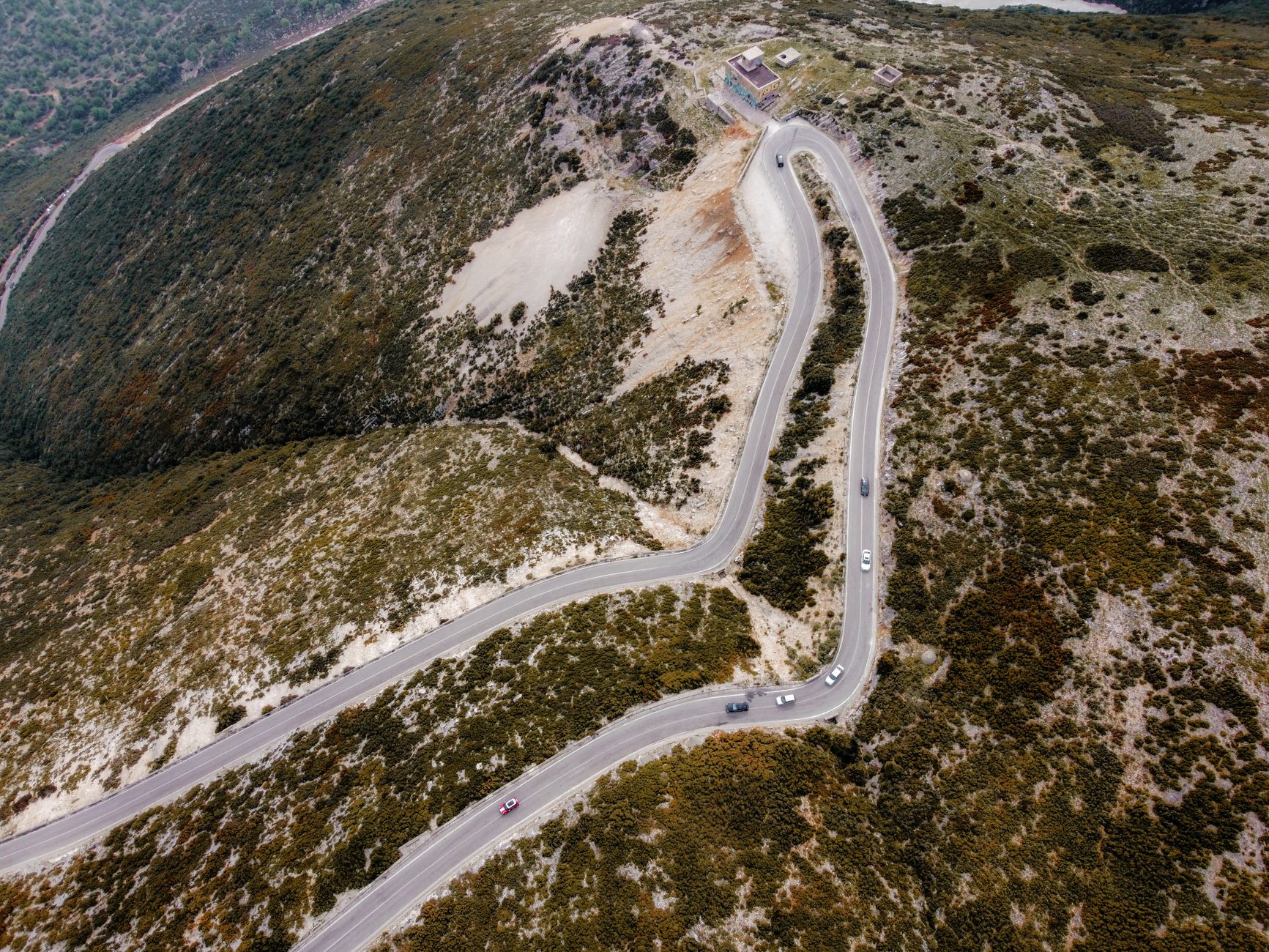
Do not linger past 15:00. The drive down the Simeonovo side of the mountain takes 40 minutes because the road is narrow, single-lane in places, and locals treat it as a rally stage. Go slow. The views back over Sofia as you descend are, in October especially, the single best free thing this region offers — pull over at the marked lay-bys, not on blind corners. There are three good ones between 1,400 m and 900 m altitude.
Stop 4 — Pancharevo Lake, 16:30
From the Simeonovo side, follow signs east to Pancharevo, a 20-minute drive to the reservoir that supplies Sofia's water. The lakeside road is lined with fish restaurants where a whole grilled trout runs €10 with a side salad and bread. Park anywhere along the shore — it is free — and walk the eastern promenade for 30 minutes. Locals swim here in July and August; in shoulder season it is joggers and dogs and old men playing chess at the shelters.
If you have kids or energy left, the small aquapark on the north shore charges €9 entry in season (June-September) and is a genuine local spot rather than a tourist trap. Otherwise use this stop as a slow coffee at a lakeside terrace — expect €2 for espresso, €3 for cake — and let rush hour pass before you point the car back at the city. Do not try to drive into central Sofia between 17:00 and 18:30 on a weekday. You will regret every kilometre.
The extended version — add Rila Monastery
If you have two days and a car, the natural extension is to sleep at Pancharevo (small guesthouses on the lake go for €43-€61 a double with breakfast) and drive south the next morning to Rila Monastery, 120 km one way on the E79. It is 2 hours each way, the road is fully paved motorway plus a scenic 30 km through the Rila valley, and the monastery itself deserves 3 hours. Ticket to the church is free; the museum with Rafail's Cross carving is €4.
On the way back, stop at Stob Pyramids (€3, a 40-minute walk) or the pretty ski town of Borovets for coffee. Fuel for the round trip runs about €17, tolls are negligible on this route, and you can be back in Sofia by 19:00. This is the drive that turns Sofia from a city break into a proper regional trip — and it is exactly the drive that no organised bus tour delivers, because they cram Rila and Boyana into one exhausting 12-hour day.
Where to sleep, and where not to park
For one night in Sofia with a car, choose a hotel in Lozenets or Iztok with dedicated parking — expect €61-€95 for a mid-range double with a secured space, versus €74-€121 in Sredets where parking is either paid on-street or costs an extra €13 a night in a garage. Ask before booking; some three-stars advertise parking that turns out to be a public lot two streets away. The Bulgaria Boulevard corridor south of the centre has several good business hotels with free garages and easy motorway access for the next morning.
Do not leave a rental car overnight on a random central street. Break-ins are rare but not zero, and the blue-zone parking meters do not run overnight — the risk is a morning wheel clamp because the zone reactivates at 08:30. Any hotel that says 'private parking' in its listing is worth the €9-€13 premium over one that does not. Return the car by 10:00 on your last morning to skip an extra day's charge.
Questions, answered
Do I need a 4x4 for the Vitosha loop?
No. The road to Aleko is fully paved and drivable in a small hatchback year-round, though snow tyres are legally required November to March and the rental company will fit them by default in winter. The road can be closed briefly after heavy snow — check the ski resort's status page the morning of the drive.
Is an international driving permit needed?
For EU, UK, US, Canadian, Australian and most Asian licences, no — your home licence is accepted for stays under 90 days. Carry the physical card, not just a photo. The rental company will want a credit card in the driver's name for the deposit, typically €173-€346 held not charged.
Can I do this loop by public transport?
The Boyana and Dragalevtsi stops are reachable by city bus 64 and 66 respectively, and the chairlift runs weekends year-round plus daily in high season. But stringing all four stops together without a car is a 10-hour day of waiting for buses, and Pancharevo Lake in particular is a slow, awkward transfer. If you have no car, do Boyana and the chairlift as separate days.
Doing good is the business: every booking through Stay Sofia funds one verified tonne of carbon removal — same room, same price, no markup.
Start your search