The Baba Marta custom and why it defines the month
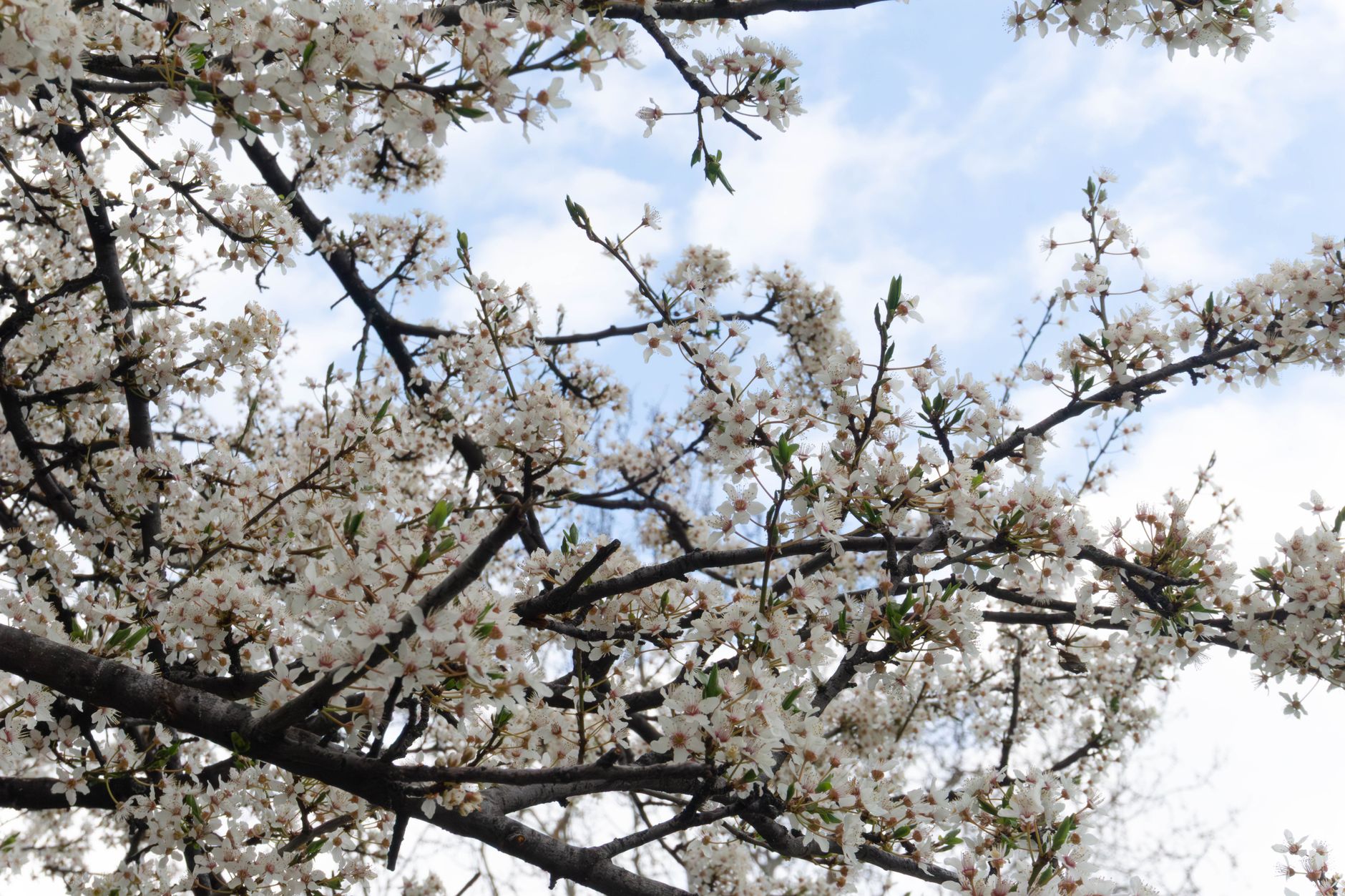
On March 1, Bulgarians exchange martenitsi — small woven tokens of red and white yarn, in dozens of designs from tassels to figurines. You wear them on your wrist, lapel or bag until you see the first stork, blossoming tree or swallow of spring, at which point you tie the martenitsa to a branch. Every tree in central Sofia by late March is hung with hundreds of these red-and-white tokens; the plane trees along Tsar Osvoboditel look genuinely magical by mid-month. This is not a museum piece — every Bulgarian, of every age, wears one throughout March. Not participating marks you as an outsider.
Street vendors set up from about February 20 selling martenitsi at every metro entrance and market, priced €1-€3 for simple ones and €4-€13 for the elaborate hand-woven ones from the Zhenski Pazar market crafts stalls. Buy at least six on arrival: two for yourselves, and four to give to hotel staff, taxi drivers, restaurant hosts and anyone else you interact with warmly. The gesture is small in effort and disproportionately warm in reception. Bulgarians genuinely appreciate visitors who engage with the custom, and the whole social atmosphere of March opens up if you do.
The weather reality: 20-degree swings
March in Sofia has the biggest temperature volatility of any month. The first week can deliver snow, -5°C nights and daytime highs at 4°C. The last week regularly hits 18-22°C, terraces open, and the parks turn green. Across a five-day trip in mid-March you can experience genuine winter and genuine spring back to back. Rain arrives on eight or nine days, often as sleet in the first half. Pack for both weather conditions — a real winter coat AND a lighter layer, waterproof boots AND lighter shoes. This is the one month where under-packing genuinely wrecks the trip.
The Vitosha ski season ends across the middle of the month. In most years, the last skiable day at Aleko falls between March 12 and March 20 — the runs turn to slush and the operator closes for the season. If a ski day is part of the trip, book for the first week. From about March 20 onwards, treat the mountain as hiking terrain rather than ski terrain, which is its own good thing: the lower Vitosha trails around Boyana Waterfall and the Zlatnite Mostove area are walkable again by month's end, with wildflowers starting.
March 3: the national day and what actually happens
March 3 marks Bulgarian Liberation from Ottoman rule. It's a serious public holiday with genuine civic weight. The main events in Sofia: a wreath-laying ceremony at the Monument to the Tsar Liberator on Tsar Osvoboditel around 10am, a religious service at Alexander Nevsky at 11am, and an evening fireworks display at 9pm from either the Alexander Nevsky area or Vitosha (varies by year). Streets around the cathedral close from about 9am to 1pm. Museums typically offer free entry — the National Historical Museum in Boyana, the National Art Gallery in the former royal palace, and the Ethnographic Museum are all worth the free day.
The specific pattern to know: if March 3 falls midweek (Tuesday, Wednesday or Thursday), Bulgarians bridge it into a long weekend and central Sofia empties for the villages and mountain resorts. Hotel demand drops, restaurants have space, and the atmosphere is calm. If March 3 falls on a weekend, the opposite happens — Bulgarians from other cities come to Sofia for the ceremonies and the hotels fill. The rate difference across these two scenarios is €26-€43 for a central four-star. Check the day of the week when planning.
March 8 and the flower economy
March 8 (International Women's Day) is not a formal public holiday in Bulgaria but is culturally observed as one of the year's most active social days. Every man in Sofia buys flowers — tulips, mimosa, small potted primroses. Flower vendors multiply on every street corner from about March 5. Restaurants fill for lunch and dinner in a way you don’t otherwise see on a weekday. If you’re travelling with women, book any restaurant you want for March 8 at least three days ahead. If you’re a man visiting on March 8, buy the female staff at your hotel a small flower each — costs €2 per stem, buys a week of goodwill.
The overlap with Baba Marta is genuinely charming: martenitsi vendors and flower vendors set up at the same corners across the first ten days of March, and the whole city is full of small handovers of red-white tokens and yellow-white flowers. This is Sofia at its most human. The specific street to see this at its best is Graf Ignatiev between Slaveykov Square and the Popa junction — a 15-minute walk that will show you more of everyday Sofia than any museum. Do it on the morning of March 8 for the peak of the phenomenon.
The March hotel-rate pattern
March is a two-part month for hotel rates. The first three weeks (March 1-21) sit at low-season pricing: central four-stars at €69-€87, guesthouses at €39-€52. The last ten days (March 22-31) begin to climb toward shoulder-season rates as the weather improves and Easter demand builds. By March 30 in a year with an early Easter, rates match April's €82-€100 band. The exceptions are the March 3 weekend and any Valentine's spillover in the first days, both of which add €17-€26 briefly. Otherwise this is one of the best-value months of the year for a European capital city break.
Where to book in March specifically: prioritise heating and interior quality over view or location. A central hotel with a warm interior and a proper breakfast room beats a beautiful old guesthouse with lukewarm radiators. The four-stars around NDK and Slaveykov Square are the safe bets — newer buildings, reliable heat, breakfast that runs to 10:30. Avoid ground-floor rooms facing the street in the older buildings; March damp comes through. Ask specifically for an upper floor when you book, and specify that heating quality matters — Bulgarian hotel staff appreciate direct requests and will move you to the warmest room they have.
What to actually do across a March trip
The specific March itinerary that works: arrive Thursday afternoon, buy martenitsi immediately, dinner at a proper mehana in Sredets. Friday for museums — start at the National Archaeological Museum in the old mosque, cross to the National Art Gallery, walk through the underground Serdika ruins under Nezavisimost Square. Saturday for Boyana — the National Historical Museum, Boyana Church (book ahead), lunch on the Vitosha slope. Sunday for the central Sofia walking loop — Alexander Nevsky, St Sofia, Sveti Sedmochislenitsi, the yellow-brick streets of the government quarter, ending at the Central Mineral Baths and the free thermal taps.
For a longer March trip, add: one day at Rila Monastery (weather-dependent, book a small-group van), one day walking the lower Vitosha trails around Boyana Waterfall if late in the month, one evening at the Opera or National Theatre with English surtitles, and at least two dedicated food evenings — one for traditional Bulgarian at a proper mehana (€17-€26 per person with rakia), one for the modern Bulgarian tasting menus at Cosmos or Cheval (€48-€74 per person). Skip the outdoor pool at Bankya (closed till May) and any itinerary that assumes reliable outdoor time. March is a museum-and-mehana month, played well.
The honest verdict on a March visit
March delivers Sofia at its most authentically Bulgarian. The martenitsi tradition is genuinely unique to this region — you won’t see it anywhere else in Europe — and the whole culture around it is warm, participatory and impossible to fake at other times of year. The trade-off is weather that can turn against you for three or four days at a time, and a general sense that the city hasn’t fully committed to spring yet. If you’re a first-time visitor who wants Sofia at its best, book April or May instead. If you want Sofia at its most itself, March is genuinely the answer.
The specific week I’d book: March 22-29, in a year where Easter falls in mid-April. That week gives you the second half of Baba Marta (with trees fully hung with martenitsi), warming weather (18-20°C days by that point in most years), still-low hotel rates, no ski disappointment (season already accepted as over), and enough distance from March 3 crowds and March 8 restaurant demand to move easily. Six nights, two people, decent hotel, three proper Bulgarian dinners, a Rila day, a Boyana day, and the Baba Marta atmosphere as backdrop — you’ll come home with a real sense of the place, for well under €606 all-in.
Questions, answered
Where's the best place to buy martenitsi, and how do I choose?
The Zhenski Pazar market on Stefan Stambolov has the widest selection with hand-woven crafts from village makers, priced €1-€13. Street corners near metro stations sell mass-produced ones at €1-€3 which are fine for wearing. For gifts to take home, buy the more elaborate hand-woven ones — Bulgarians can tell the difference and appreciate the effort.
When exactly should I tie my martenitsa to a tree?
Tradition says when you see the first stork or blossoming tree of spring. In practical Sofia terms, the almond blossoms in the Doctor's Garden start around March 15-20 — that's when locals tie theirs. If you’re leaving before that, tie yours on a tree in a park before departure and take a photo. The gesture matters more than the exact timing.
Is the Vitosha lift running in March?
The Simeonovo gondola typically runs weekends through the first half of March, closing entirely mid-month once snow conditions fail. The Dragalevtsi chair closes earlier. From about March 20 onwards, access to the upper mountain is either by hiking or by car up the Vladaya road. Check ski.bg on the morning of any planned mountain day.
Do I need to speak Bulgarian to engage with Baba Marta?
No. When receiving a martenitsa, say 'chestita Baba Marta' (happy Baba Marta) — even badly pronounced, it's the right thing to say. When giving one, hand it over with a smile and say the same phrase. Bulgarians will meet the effort with real warmth. Learning three words for this custom returns more social goodwill than any other Bulgarian phrases you could learn.
Doing good is the business: every booking through Stay Sofia funds one verified tonne of carbon removal — same room, same price, no markup.
Start your search