The August exodus is real
From roughly August 1 to August 25, Sofia empties in a way that surprises first-time visitors. Bulgarian companies schedule collective annual leave in August, universities are shut, and anyone with a family cottage in the mountains or a booking on the Black Sea coast is gone. Central streets that queue at lunchtime in June — Vitosha Boulevard, Graf Ignatiev, the food strip on Shishman — have tables free at 1 p.m. The Serdika metro platforms feel like a Sunday morning on a weekday. It's not dead, but it's the calmest the city gets outside Christmas week.
For visitors this is a mixed bag. On the plus side: no queues for the Boyana Church, easy restaurant walk-ins, taxis that arrive in four minutes not fifteen, and a genuinely relaxed pace. On the minus side: a chunk of the neighbourhood restaurants and small shops close for two to three weeks, and the local cultural calendar goes quiet — no theatre, no opera, most concert venues shut until September. If you want Sofia as it actually functions, come in June or September. If you want it half-asleep and cheap, August is your month.
What the heat is actually like
August daytime highs run 88-95°F with occasional pushes to 100°F during heat waves, which now happen most summers for three to five days at a stretch. The city sits in a bowl and the concrete holds the heat well into the night — a 2 a.m. temperature of 75°F is normal in mid-August. Humidity is moderate (40-55%), lower than Istanbul or the Black Sea, so it's a dry heat that walking in shade handles better than you’d expect. Vitosha throws a cool breeze down into the southern neighbourhoods most evenings; Boyana and Simeonovo run 5-8°F cooler than the centre.
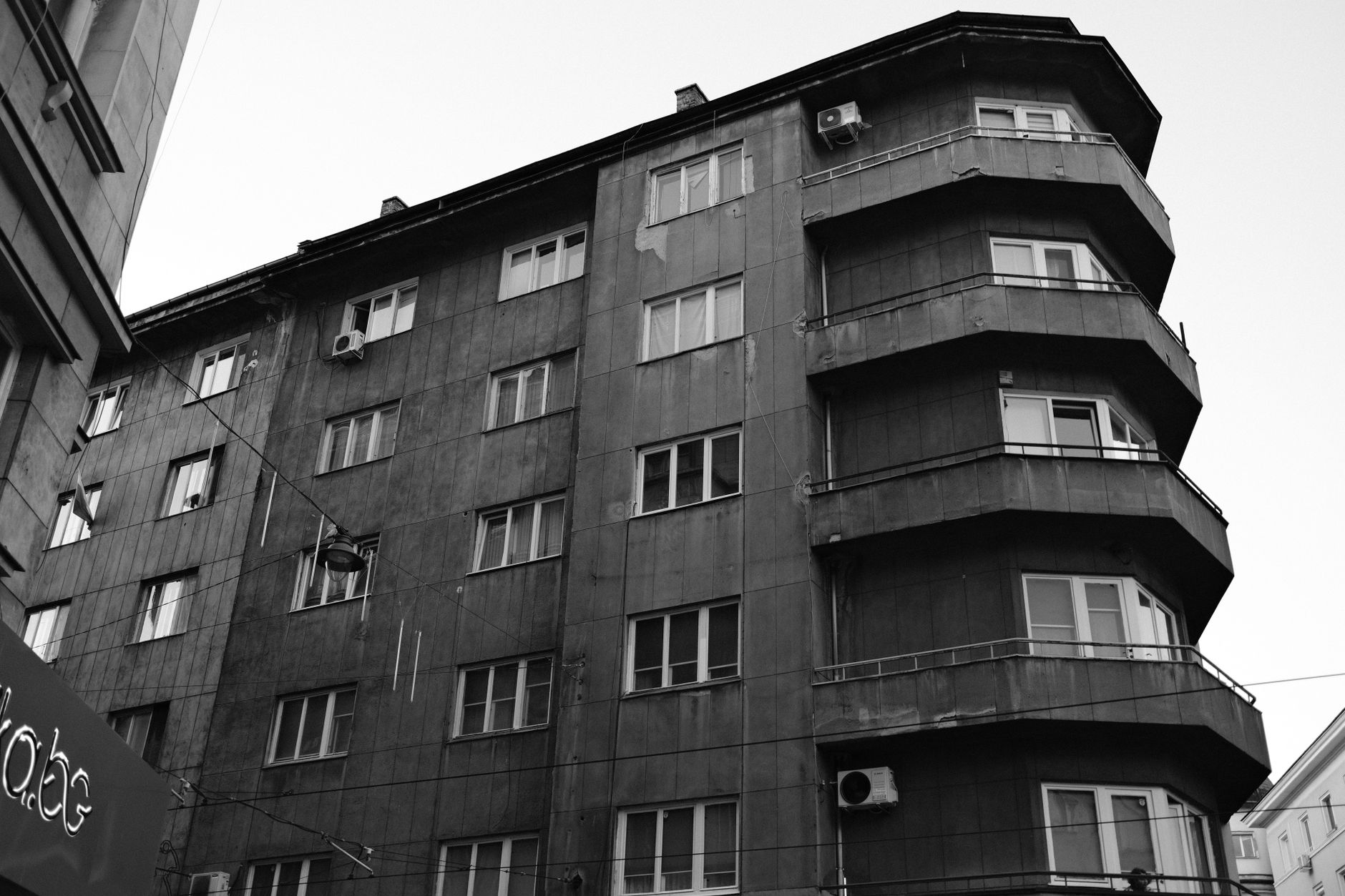
Storms build over the mountains most afternoons and break around 5-7 p.m. maybe twice a week — heavy 30-minute downpours with genuine lightning, then clear again by 8 p.m. Streets flood briefly at the tram stops on Vasil Levski and around Orlov Most. Carry a small umbrella. Air conditioning in Sofia hotels is standard in three-stars and up, but check listings for older properties in Oborishte where some Habsburg-era buildings still rely on window units that struggle above 90°F. If it matters, filter by 'air conditioning' and read the last five reviews.
Room prices in the quiet month
August is the quiet cousin of July in Sofia hotel pricing. Business travel collapses because Bulgarian companies are shut, and the tourism that fills the coast doesn’t reach Sofia — most Balkan travellers use it as a one-night transit. Four-star hotels that ask €113-€139 in July drop to €91-€117 in August, and three-stars in Oborishte and Triaditsa sit at €56-€78. The airport-corridor business hotels run their softest rates of the year, some as low as €48 a night with parking and breakfast, because their Monday-Thursday clientele has evaporated.
The exception is any weekend a big concert or football match hits — Vasil Levski Stadium's summer schedule packs a handful of matches and stadium concerts into July and August, and rates near the centre spike €26-€43 on those Fridays and Saturdays. Check the venue calendar before locking in dates. The last week of August climbs back toward normal as the school year approach brings families and admin travel back into the city; September 1-15 is where prices actually reset upward.
What closes and what doesn’t
The permanent stuff — Alexander Nevsky, the Archaeological Museum, Boyana Church, the History Museum, the mineral spring taps — is all open on normal hours. Public transport runs full schedule. Major supermarkets (Kaufland, Fantastico, Billa) open every day. Vitosha's trails, chairlift and mountain restaurants operate summer schedule and are busy on weekends with locals doing day trips because the coast is a five-hour drive.
What shuts: small independent restaurants and specialty shops in Sredets, Oborishte and Doctor's Garden, often for two to three weeks between August 5 and 25. They post a hand-written note on the door with the reopening date. This includes some of the best places on Shishman and Angel Kanchev, so if you have a specific restaurant on your list, check their Facebook or Instagram before travelling. Cultural venues — National Theatre, Opera, Sofia Philharmonic — are all in summer hiatus until early September. The Sofia Music Weeks classical festival ends June 30 and doesn’t return until spring.
How to survive the heat as a visitor
The pattern that works is early mornings and late evenings. Do museums, Boyana, and any serious walking between 8 a.m. and 11 a.m., break for a long lunch and a swim from 1 to 5, and come back out at 7 p.m. when the light softens and the terraces come alive. This is exactly how locals move in August. The rooftop pools at a handful of centre hotels — Sense, Grand Hotel Sofia — sell day passes at €22-€35 that get you a lounger and a cocktail; on a 95°F day it's the best money you’ll spend.
Pancharevo Lake, 25 minutes from the centre by taxi (€10-€13), is the free public alternative — a big reservoir with a walking path around it, kayak rentals, and a couple of restaurants on the water. It gets busy on weekends. Vitosha at altitude is the real escape: take the gondola from Simeonovo up to Aleko where it's 70°F when the city is 92°F, walk to Boyana Waterfall (2 hours down), taxi back. The temperature drop is real and the trails have shade almost throughout.
Where to base yourself in August
The heat argues for two very different bases. Option one: the centre, close to metro, so you can duck indoors easily and don’t taxi everywhere. A four-star with a real pool or a rooftop bar earns its keep in August in a way it doesn’t in April. Triaditsa and Sredets work best; walk to Nevsky in the morning, metro to Vitosha for the afternoon. Rates €82-€117. Option two: Boyana or Simeonovo up the slope, where nights are properly cooler and you sleep with the window open. Taxi in for dinner (€5-€7), taxi back (€5-€7). Rates €74-€95.
Skip the airport corridor unless you’re specifically catching an early flight — the shuttle buses run less frequently in August, the metro to the terminal is fine but the walk to some of those hotels in the sun is brutal. Skip Bankya in August too; the thermal spas are less appealing in 90°F heat and the commute back to town after dinner adds up. Studentski Grad is a ghost town — university is out, the young population that fills it is at the coast — and the neighbourhood loses its point.
Eating and drinking when the good places are shut
Some of Sofia's best neighbourhood restaurants close for the middle two weeks of August, which sounds worse than it is. Chain and hotel restaurants stay open; the big established places on Vitosha Boulevard, Graf Ignatiev and around NDK run full menus. Manastirska Magernitsa and Hadjidraganov's Cellars — the two obvious traditional-Bulgarian tourist stalwarts — are open throughout. Steer toward mall food courts (Serdika Center, Paradise Center) for lunch on a hot day; the air conditioning is aggressive and the food is fine.
August is peak season for two Bulgarian summer dishes worth trying. Tarator, a cold cucumber-yogurt-dill soup with walnuts, is on every menu and costs €3-€4 — it's genuinely refreshing at 92°F. Shopska salad is at its actual best now because the tomatoes are Bulgarian, not Turkish imports; a large one at €3-€5 is a meal. For evening drinks, the outdoor bars around the Doctor's Garden and City Garden fill with a young local crowd that stayed in town, and rakia with a slice of watermelon (a summer ritual) runs €3-€4.
Questions, answered
Will I regret coming to Sofia in August rather than the coast?
Only if you specifically wanted beach. Sofia in August works fine as a base for Vitosha hikes, day trips to Rila and Plovdiv, and calm sightseeing at half-price hotels. Combining three nights in Sofia with four nights on the coast is the standard local move and easy to book — buses to Varna and Burgas run every 90 minutes.
How bad is the heat for elderly travellers or young kids?
Manageable if you plan around it. Book a hotel with a pool or a properly cool AC room, do outdoor sightseeing before 11 a.m., and spend early afternoons indoors. Pancharevo Lake and the Vitosha uplands drop the temperature 10-15°F. The genuine risk is dehydration on a walking day; carry water and drink more than you think you need.
Are the mid-August closures a real problem?
They’re an annoyance, not a dealbreaker. You lose maybe 20-30% of the best neighbourhood restaurants for two weeks, but the classic Bulgarian places, hotel restaurants, and chain food are all open. Check specific spots on their social media before travelling. What genuinely disappears is cultural programming — no theatre, no opera — so plan around that if it matters.
Doing good is the business: every booking through Stay Sofia funds one verified tonne of carbon removal — same room, same price, no markup.
Start your search