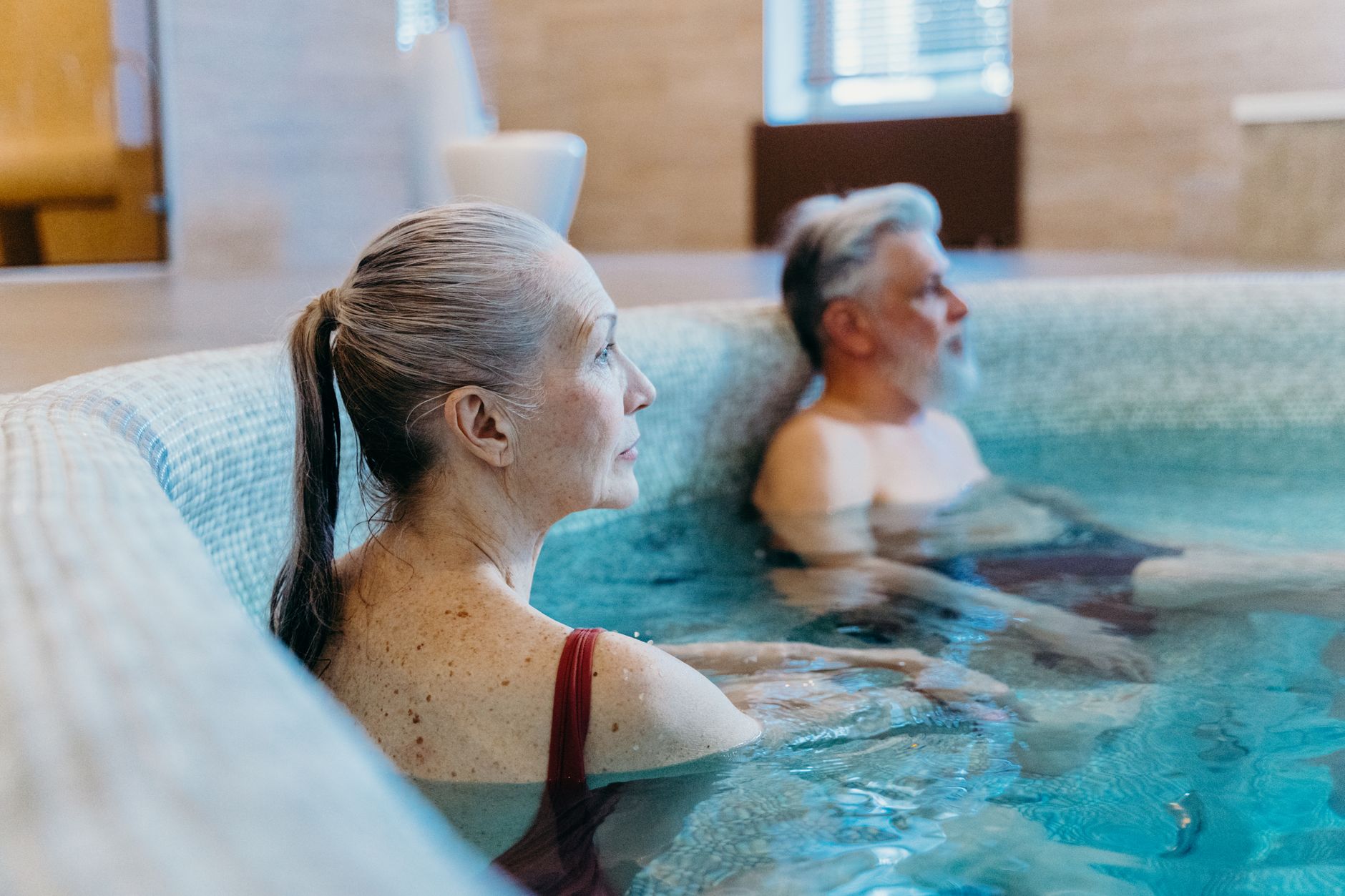
Why Sofia is actually a spa city
Sofia was founded on hot springs — the Romans called it Serdica and built baths on the site that is now the Central Bath museum. The whole city sits on a geothermal aquifer and there are more than 40 active mineral springs within the metropolitan area, most concentrated in the western suburbs of Bankya, Gorna Banya, Knyazhevo and Ovcha Kupel, with more scattered through Pancharevo and the Vitosha foothills. The water runs 30 to 43 degrees at source and is variously carbonated, sulphurous, or high in silica and fluoride depending on the spring. This is a real spa city, and most visitors have no idea.
The catch is that many hotels calling themselves spa hotels in the centre use municipal water heated in a boiler — a wellness centre, not a mineral spa. A true mineral-water spa hotel will explicitly list the source spring, the water temperature and the mineral profile. If the website talks vaguely about tranquility and thermal experience without naming the water, it is a hotel with a hot tub. This is the single most important filter when booking a Sofia spa stay: the water, not the ambience, is the point.
The Bankya cluster
Bankya is the serious spa suburb. The water here comes out of the ground at 37 degrees, low mineralisation, and has been drunk and bathed in medicinally since Ottoman times. There are five or six hotels in Bankya using it directly, ranging from €61 to €113 a night, and most include full spa access, breakfast, and one treatment on a two-night package. The best of them have proper indoor mineral pools of 15 to 20 metres, saunas, steam rooms, and a treatment menu covering massage, hydromassage and mud wraps. Book a Sunday-to-Tuesday for the best rates and the emptiest facility.
The atmosphere in Bankya is calm to the point of soporific — this is old Bulgarian spa culture, more sanatorium than boutique. Guests are mostly Bulgarians in their fifties and sixties on a week-long cure, plus a scattering of Serbians and Greeks. Do not expect a cocktail bar or a DJ; expect early breakfast, morning treatments, an afternoon nap and a modest dinner. If that sounds like your version of a holiday, Bankya is genuinely outstanding value. If not, you want a city-centre spa instead.
The central wellness hotels
In the historic centre, three hotels do wellness at a level that matches the Bankya spas without the mineral water: Grand Hotel Sofia, Sofia Balkan Palace and Sense Hotel. Rates €147 to €225 a night, all with proper indoor pools, saunas, steam rooms and treatment menus. The Grand's spa is the strongest of the three on facilities — biggest pool, best hammam, most treatment rooms. Sense has the best rooftop plunge for summer. Balkan Palace is the most atmospheric with its historic building. Water quality is city mains, not mineral.
For a spa weekend where you also want to eat well, see the yellow-brick centre, and stroll on Vitosha Boulevard, these three beat Bankya on everything except the water itself. If the mineral aspect matters to you medically or emotionally, Bankya wins. If you want a spa hotel as part of a broader Sofia trip, central is the answer. The Grand at €173 a night is the closest thing to a proper five-star wellness hotel in the city; everything else is a compromise in one direction or another.
Gorna Banya and Ovcha Kupel
Gorna Banya is Sofia's other mineral-water suburb, less developed than Bankya, with two decent spa hotels using local spring water at 32 degrees. Rates are slightly cheaper at €52 to €87 a night, facilities are simpler, and the crowd is even more local. The water here is famous nationally for drinking — you will see Sofia residents filling five-litre bottles at the public fountain — and it has a distinctive slightly fizzy quality. As a spa base this is the budget alternative to Bankya, and honestly not much worse.
Ovcha Kupel south of the centre used to be a major spa area but has been in slow decline; the pools are municipal rather than hotel-based, and the surrounding accommodation is thin. Worth a visit for the outdoor mineral pool in summer at around €5 entry, but not a spa base to stay in. Pancharevo lake, in the eastern suburbs, has one or two lakeside spa hotels using local springs at €69 to €95 a night — pleasant setting, small operation, worth considering for a quiet weekend away from town.
The mountainside spa hotels
The Boyana and Simeonovo mountainside hotels at 700 to 800 metres altitude include a small spa cluster aimed at conference guests and weekenders. Rates €87 to €139 a night, indoor pool, sauna, standard treatment menu. Water is boiler-heated municipal. The selling point here is the setting: pine forest, mountain views, and Vitosha's trails 15 minutes away. This is a good option for combining hiking or skiing with wellness, particularly November through March when the mountain is snowy and the pool is a welcome contrast.
The specific pick in this cluster is one of the four-star hotels on the Simeonovsko shose, which have decent pools, good breakfast and free parking. Skip anything calling itself a wellness resort at under €69 a night in these suburbs — the pool will be a small warm tub, the sauna will be domestic-scale, and the treatment room will be a converted bedroom. The distinguishing mark of a real facility is a pool of at least 15 metres and a separate men's and women's changing area.
What to skip
Skip any Sofia hotel described as spa boutique in the centre at under €87 a night — this almost always means a small wellness room with a hot tub, a domestic sauna, and no actual pool. You will feel misled on arrival. Skip the Vitosha Boulevard chain hotels' wellness centres unless you specifically want a gym; the spa side is minimal. Skip the airport-adjacent hotels that advertise a spa; there is no natural water there and no reason to spa in that location.
Also skip mid-week packages that look too cheap — a two-night Bankya spa deal at €52 total including treatments is a real thing, and it means you are staying in an ageing sanatorium annexe, not a hotel. The pool will work, the sauna will work, and the treatment will happen, but the room will be very tired. Pay €74 to €95 a night for the real hotel experience; the €26 difference buys you a properly renovated room and much better breakfast.
The verdict
My spa hotel ranking for Sofia: the Grand Hotel Sofia at €173 for a full-service central spa weekend combined with sightseeing; a mid-tier Bankya hotel at €82 for a mineral-water cure of three or more nights; a Simeonovo mountainside four-star at €113 for a wellness-plus-hiking combination; and Gorna Banya at €65 as the budget mineral option. Skip everything else calling itself a spa in Sofia unless you have specific local knowledge that redeems it.
The bigger truth is that Sofia is genuinely one of the best-value spa cities in Europe, and hardly anyone outside Bulgaria knows it. A five-night mineral-water spa week in Bankya including full board and daily treatments comes out around €606 — a comparable stay in Baden-Baden or Karlovy Vary is €2165 upward. The facilities are simpler and the ambience is more Soviet-modernist than grand-imperial, but the water is real and the effect on tired bodies is the same. This is a proper undiscovered spa destination.
Questions, answered
Can I use a Sofia hotel spa without staying there?
Yes at most properties. Grand Hotel Sofia and Sofia Balkan Palace sell day spa packages from €35 including pool, sauna and one treatment. Bankya spa hotels sell full-day passes at €22 to €30. Central Bath, the historic Sofia mineral bath, is currently a museum but plans to reopen as a public spa are periodically discussed.
Is the mineral water safe to drink?
Yes — Sofia's spring waters are regulated and Bulgarians drink them daily. The fountains at Serdika metro station and Gorna Banya are public and free. The taste varies by spring; some are pleasantly sparkling, others sulphurous. Bring an empty bottle. Only drink from official fountains, not random springs.
When is the best time for a Sofia spa trip?
November through March. The pools are indoor and heated year-round, but the contrast between cold weather outside and hot mineral water inside is genuinely restorative. Rates are lowest in January and February. Summer is fine but Bulgarians have left for the coast, so the whole thing feels a bit deserted.
Doing good is the business: every booking through Stay Sofia funds one verified tonne of carbon removal — same room, same price, no markup.
Start your search