1. Shopska salad
Yes, it's the obvious one, and yes, it deserves the top spot. Shopska is tomato, cucumber, roasted pepper, onion and grated sirene (Bulgarian sheep's-milk brine cheese) — the last ingredient is what separates a real one from the version most tourist restaurants serve with commercial feta. In late June through September, when the Petrich and Kyustendil tomatoes are actually in season, a proper shopska is one of the best salads in Europe, full stop.
Where to get the real thing: Manastirska Magernitsa in Lozenets uses genuine sheep sirene, €3 a plate. Cosmos on Shishman does an upgraded version with heritage tomatoes for €7. Skip any shopska on Vitosha Boulevard — the sirene is always commercial. Off-season (November-April), the tomatoes are hothouse and the dish drops sharply in quality; order something else. Rank it one because it's the dish that most rewards knowing where to eat it.
2. Banitsa
Cheese pastry made from stretched filo, sirene and eggs, baked in a spiral or a tray, eaten hot for breakfast with ayran (salted yoghurt drink) or boza (a fermented wheat drink you’ll probably hate the first time). Real banitsa is 60% cheese, 30% pastry, 10% egg — anything drier is a bakery cutting costs. The Pirotska Street bakeries in Vazrazhdane do the best commercial versions in the centre; €1-€2 for a slice, coffee or ayran €1.
The Furna Bakery chain does a reliable version if you can’t find an independent bakery — every metro station has one. Skip banitsa served in restaurants at dinner; it's a breakfast pastry, and by evening it's been sitting for hours. Some places do a spinach version (zelnik) which is worth trying if the shop makes both. Rank it two because it's the breakfast that best defines a Sofia morning, and it costs less than a coffee.
3. Kavarma
Slow-cooked meat and vegetable stew, traditionally in a clay pot, always with pork or veal, mushrooms, onions, peppers, tomato and often an egg cracked on top in the last minute of cooking. This is Bulgarian home cooking done in restaurants: unshowy, deep-flavoured, and better in winter than summer. Manastirska Magernitsa does the definitive Sofia version (€10); Vodenitsata in Boyana does a game variant with venison (€12).
The catch: kavarma is often on menus that don’t cook it fresh — a good one takes 90 minutes minimum, so if it arrives in 15, it's been reheated. Ask when you order. It's a substantial dish; order it as your main and skip the pre-appetiser bread. Best paired with a Melnik red, not the house wine. Rank it three because it's the dish that best explains why Bulgarian food is more than salad and grilled meat.
4. Tarator
Cold cucumber and yoghurt soup with walnuts, garlic, dill and a splash of oil. Sofia summers regularly hit 33°C and this is what you eat at lunch — a €3 starter that resets your body temperature. The yoghurt has to be real Bulgarian yoghurt (the country produces the specific Lactobacillus bulgaricus strain that defines the style) and the cucumbers have to be crunchy, not soft.
Best in-season versions (June-September): Divaka's chain has a surprisingly good one for €3, Manastirska Magernitsa's is €3 with better walnuts, and the Central Market Hall's basement food court does a €2 version that's genuinely fine. Off-season it's still served but with hothouse cucumbers that lack the crunch. Skip "upgraded" versions with prawns or avocado — that's a restaurant that doesn’t trust the original. Rank it four because it's the perfect summer starter and the price is trivial.
5. Kebapche and kyufte, grilled
Kebapche are finger-shaped grilled pork sausages seasoned with cumin and black pepper; kyufte are the flat, round version of the same meat. Order two of each, a shopska, a beer, spend €9. Every Bulgarian eats these regularly, and Sofia has probably 200 places that do them well. Skara Bar in Studentski Grad, Divaka's chain outlets, and Boyansko Hanche in Boyana all execute properly.
The tell of a good version is the char: proper wood-charcoal grilling produces a slight bitter edge on the outside and a juicy centre; gas-grill versions are pale and uniform. The best come with a wedge of pickled peppers and coarse mustard, not ketchup. Rank it five because it's the Bulgarian meal that most non-Bulgarians actually want at 20:00 on a Wednesday — quick, cheap, decent everywhere, brilliant in the right places.
6. Sarmi (stuffed vine or cabbage leaves)
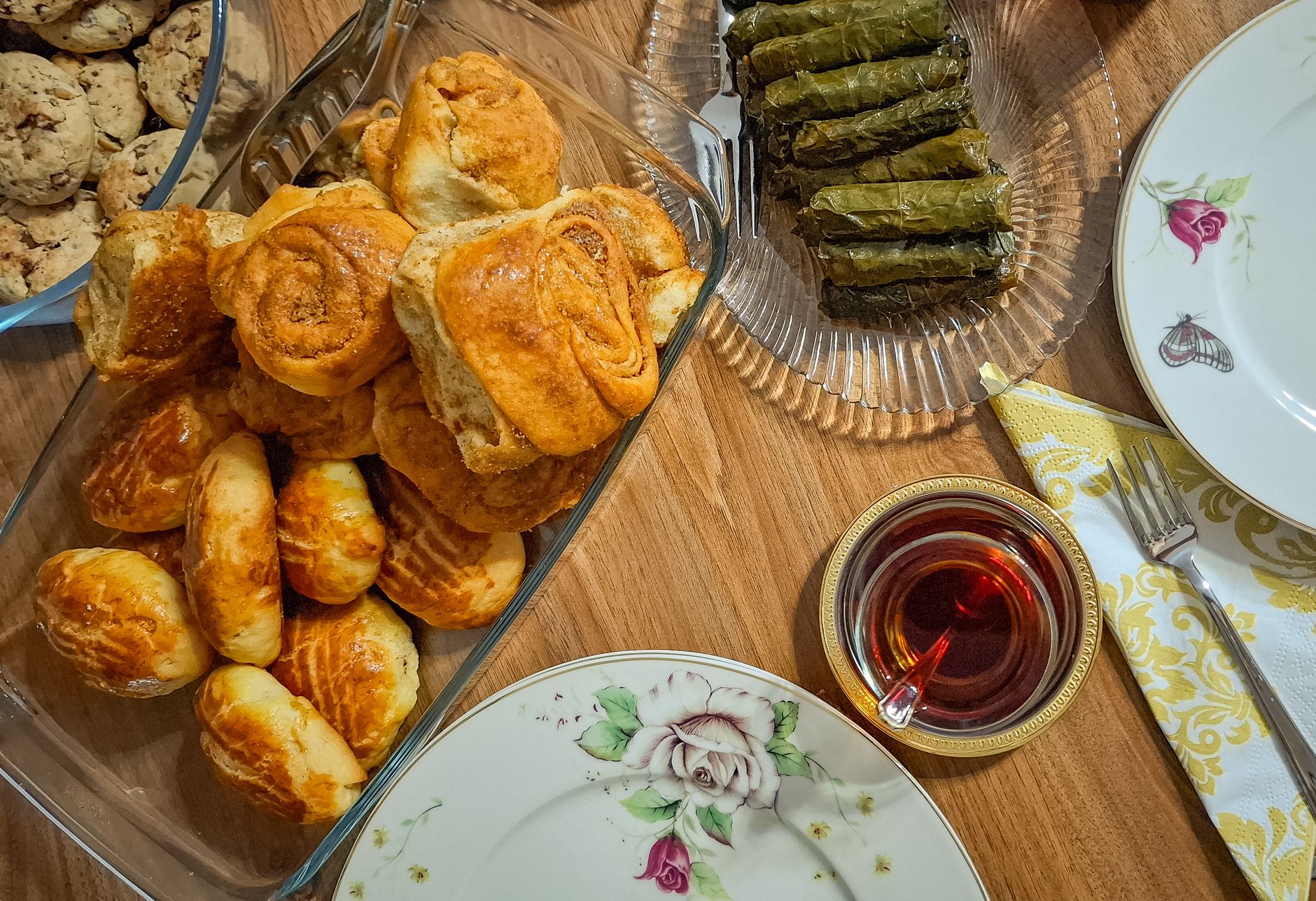
Sarmi are the Bulgarian version of dolma — rice, minced meat, herbs and sometimes bulgur wrapped in pickled vine leaves (summer) or cabbage leaves (winter), stewed with tomato and served with yoghurt. The winter cabbage version is the more distinctive one; the summer vine leaf version overlaps with Greek and Turkish traditions.
Manastirska Magernitsa does both versions seasonally, €8 for a plate of six. Made in Home café near Vazrazhdane does a lighter modern version for €7. The catch: sarmi is time-consuming to make properly and many restaurants either buy them frozen or serve yesterday's — a fresh one has bright acidity from the pickled leaf and a soft, not mushy, filling. Order in a mehana, not a bar. Rank it six because it's excellent when made properly but often isn’t, so the safe-order threshold is higher than for the top five.
7. Rakia (as a food-adjacent essential)
Not a dish, but no ranking of Bulgarian food essentials makes sense without it. Rakia is fruit brandy — grape (grozdova), plum (slivova), apricot, cherry — distilled to 40-50% and drunk cold in shot glasses before and during meals, not after. Order one alongside your shopska and you’re eating the way Bulgarians eat.
Rakia & Co on Shishman is the specialist bar with 60+ regional versions, €3-€6 a shot with a proper tasting flight for €16. Most mehanas serve their house rakia at €2-€3 a shot which is fine for most purposes. Homemade rakia — the stuff you might be offered at a mehana in Boyana or Dragalevtsi — is often better than commercial but occasionally uneven; take small sips first. Rank it seven because it completes the meal, not because it stands alone.
Questions, answered
Which of these should a vegetarian order?
Shopska (vegetarian), tarator (vegetarian), banitsa (contains egg and cheese, vegetarian), plus vine-leaf sarmi in a vegetarian version (ask — some places do rice-only). Kavarma, kebapche/kyufte and cabbage sarmi are meat-based. Manastirska Magernitsa has a full monastic-tradition vegetarian menu built around lent-observance recipes and is the best vegetarian pick in the city.
What's the local drink to pair with these dishes?
Rakia before and during the meal (as a shot, not a mixer); Bulgarian wine with the mains. For reds, ask for Melnik or Mavrud — the two indigenous grape varieties, both good, €4-€7 a glass in decent restaurants. For whites, Dimyat or an oaked Chardonnay from the Struma valley. Skip the imported Italian house wines; Bulgarian wine is genuinely competitive at the mid-price point.
Which dish is most overrated?
Shkembe chorba (tripe soup) — Bulgarians love it, tourists mostly don’t, and no amount of enthusiasm changes that. Try it once if you’re curious; don’t feel guilty for not finishing. The other honestly weak Bulgarian dish is meshana skara (mixed grill) at chain restaurants — it's just kebapche, kyufte and pork steak on one plate, and ordering the components separately gets you better versions.
Doing good is the business: every booking through Stay Sofia funds one verified tonne of carbon removal — same room, same price, no markup.
Start your search