Shopska salad: the essential first order
Shopska is the national salad — tomato, cucumber, roasted red pepper, onion, and a generous grating of sirene (Bulgarian white brine cheese, similar to feta) on top. It is named after the Shopluk region around Sofia. Every Bulgarian restaurant serves it, and it is the standard opener for any meal. A good shopska is 60 percent about the tomatoes, so it is dramatically better in summer than winter — the July version with real ripe tomatoes and cold sirene at a Sofia mehana is one of the great cheap food experiences in Europe.
The right price for shopska is €3 to €5 in a normal restaurant, €5 to €7 in a tourist zone, €2 to €3 at a workers' canteen. Anything above €7 is a rip-off. Good places to try it: Manastirska Magernitsa near the yellow square, Made in Home in Lozenets, any neighbourhood mehana. The dish exists in variations across the Balkans but the Bulgarian version has the strongest identity, and Sofia is the right place to order it.
Banitsa: the breakfast pastry
Banitsa is a filo pastry filled with sirene, sometimes with spinach or leeks, sometimes with pumpkin in a sweet version. It is the Bulgarian equivalent of a Greek tiropita or a Turkish borek, and it is what Bulgarians eat for breakfast at street kiosks and bakeries across the country. A good banitsa is crisp, flaky, and generously cheesy inside without being greasy. It costs €1 to €2 at a bakery, €3 to €3 in a cafe. Traditionally eaten with a glass of boza (fermented wheat drink) or ayran (salted yogurt drink).
Best banitsa in Sofia: any of the small bakeries in the Oborishte residential streets, and the Central Market Hall stalls. Avoid the sad supermarket versions that come pre-wrapped; those are not the real thing. The pumpkin variety (tikvenik) is a genuinely good sweet dessert. This is the food most likely to hook a visitor on Bulgarian cuisine, and I would eat it every morning of a Sofia stay.
Grilled meat: the main event
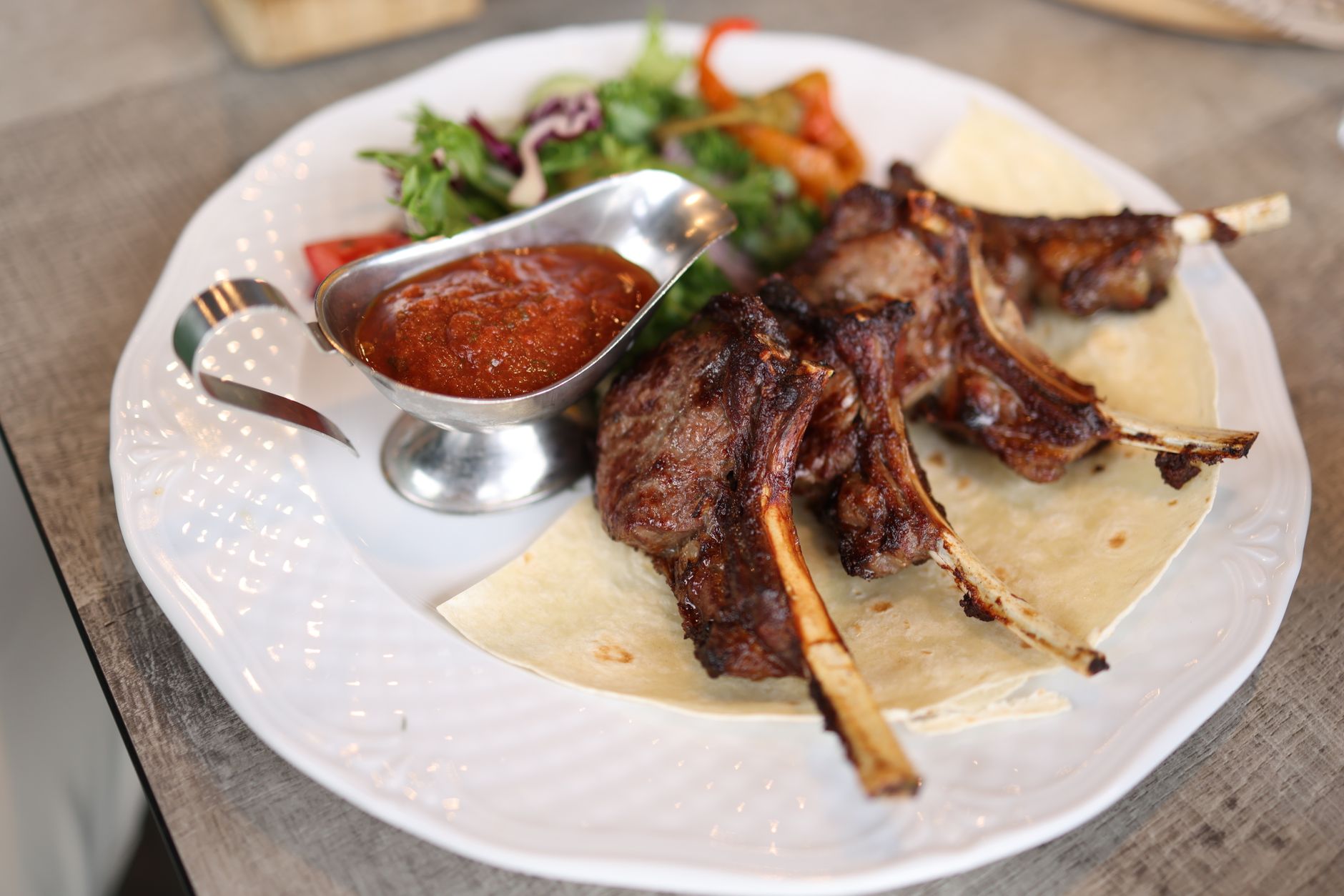
Bulgarian mehanas revolve around the grill. The classics: kebapche (grilled minced meat sausage seasoned with cumin and black pepper), kyufte (grilled minced meat patty), pork skewers, and grilled pork neck. A mixed grill plate is €9 to €14 in a good mehana and covers all of the above. The meat is generally good quality, the seasoning is straightforward, and it is served with lyutenitsa (roasted red pepper relish) and a mound of chips or a shopska. This is not fine dining; it is proper Balkan comfort food, and it works.
Best grill in Sofia: Hadjidraganov's Cellars for the theatrical version at €16 to €22 mains, Skara-Bar in Lozenets for the neighbourhood version at €9 to €14, Manastirska Magernitsa for the traditional version at €10 to €16. Skip the touristy grill houses on Vitosha Boulevard; the meat is the same but you pay 30 percent more. Order Bulgarian red wine with grilled meat — mavrud or the local rubin is €3 to €5 a glass and pairs correctly. Rakia is fine but heavy for a full meal.
Tarator and cold soups
Tarator is a cold summer soup of yogurt, cucumber, dill, garlic, walnuts and a little olive oil. In July and August it is the single most refreshing thing you can eat in Sofia, and Bulgarians consume it in large quantities. A bowl costs €3 to €4 and is often served as a starter. If you like Greek tzatziki, you will love tarator — it is essentially the soup version. Best tarator in Sofia: any traditional mehana in summer, and the Central Market Hall stalls. Avoid winter tarator; it is possible but the cucumbers are not ripe.
Other cold Bulgarian summer dishes: mishmash (scrambled eggs with peppers, tomatoes and sirene), lyutenitsa on bread, and the various pickled vegetables served as meze. The meze culture in Bulgaria is real and worth exploring — order three or four small dishes plus bread plus salad for a light dinner at €10 to €16 total per person, and it is a proper Bulgarian summer meal. Rakia is the correct drink for meze; a 50ml pour is €3 to €4.
Stews and slow-cooked dishes
Bulgarian slow-cooked cuisine is genuinely excellent and underappreciated. Kavarma is a pork or chicken stew with peppers, mushrooms and onions, usually baked in a clay pot and served bubbling. Gyuvech is similar with more vegetables and often lamb. Sarmi are stuffed vine leaves or cabbage leaves with rice and pork. All three are winter and cool-weather dishes, and they are what you should order between November and April rather than the salads and grilled meats. Prices €7 to €12 in a proper mehana.
Best places for stews: Manastirska Magernitsa (which specialises in monastery-style traditional cooking), Made in Home in Lozenets, and any small neighbourhood mehana in Oborishte or Sredets. The clay-pot presentation is not just for show — the slow oven cook produces genuinely different flavour than a pan on the stove. Order with warm bread and a Bulgarian red wine. Skip the tourist versions on Vitosha Boulevard, which often use pre-made stews reheated to order.
Cheese, yogurt and dairy
Bulgaria takes yogurt seriously — the country claims to be the origin of Lactobacillus bulgaricus, the culture that makes yogurt yogurt. The domestic yogurt in Sofia supermarkets is dramatically better than most Western European yogurt, thicker and more tart, and it costs €1 a container. Kashkaval (yellow Bulgarian cheese) and sirene (white brine cheese) are both good and cheap at €3 to €5 per 300g in supermarkets. The market halls have real cheese counters where you can taste before buying.
In restaurants, order sirene po shopski — sirene baked in a small clay dish with tomato, egg and peppers, at €3 to €5. It is one of the best cheap Bulgarian starters. Order a proper cheese platter with kashkaval, sirene, and one or two aged sheep cheeses at €7 to €10. Skip anything called Bulgarian mozzarella or Bulgarian ricotta — these are imitation products, not the good stuff. The good stuff is called by its Bulgarian name.
What to skip
Skip Bulgarian pizza in Sofia. It exists everywhere, it is cheap, and it is uniformly bad — thick, doughy, and topped with ham and corn in ways that do not resemble any Italian pizza tradition. Skip the international restaurants on Vitosha Boulevard if you have come to try Bulgarian food. Skip anything labelled Bulgarian sushi. Skip the Bulgarian version of a burger; it exists but the country has not figured out beef mince yet in that particular application.
Also skip banitsa from petrol stations and supermarket chillers; the real thing is at bakeries. Skip the tourist-menu offerings of stuffed vine leaves at €9 in Vitosha Boulevard restaurants; the real neighbourhood version is €5. Skip anything called traditional Bulgarian dessert in a tourist restaurant — Bulgarian desserts are actually the weakest part of the cuisine, and you are better off ending a meal with rakia and a coffee than with the sweet options. The one exception is baklava, which is generally decent.
The verdict
The essential Sofia Bulgarian food order for a first visit: shopska salad in summer or tarator on a hot day, kavarma or a mixed grill for a main, sirene po shopski as a starter, and a bottle of Bulgarian red wine or a pour of rakia. Total cost in a real mehana: €16 to €24 per person for a full meal with drinks. This is the honest core of Bulgarian cuisine, and Sofia does it well at every price point.
The one place I would specifically eat if I had one dinner in Sofia is Manastirska Magernitsa, three streets from the yellow square, which does a full monastery-style menu at €10 to €16 mains with genuine traditional cooking. Made in Home in Lozenets is the modern-Bulgarian pick at similar prices. The Central Market Hall is the cheap-lunch pick. These three between them cover the full spectrum of good Bulgarian food in Sofia, and everything else is variation.
Questions, answered
Is Bulgarian food good for vegetarians?
Yes, honestly better than you would expect. Shopska salad, sirene po shopski, tarator, banitsa, stuffed peppers, vegetable gyuvech, pumpkin banitsa, and a range of bean and lentil stews are all vegetarian. Sun Moon on Solunska is a fully vegetarian Sofia restaurant. Vegan is harder but manageable — most mehanas can adapt dishes on request.
What Bulgarian wine should I try?
Mavrud is the signature Bulgarian red grape, grown mainly around Plovdiv — full-bodied, tannic, ages well. Rubin is another good Bulgarian red. For whites, try dimyat (a native grape) or Bulgarian chardonnay from the Melnik or Struma regions. A decent restaurant bottle runs €13 to €22, a glass €3 to €6. Bulgarian wine is genuinely underrated internationally.
How much should I tip in Sofia restaurants?
Ten percent is standard for good service, 5 percent is fine for adequate service, and rounding up the bill is fine for a cheap lunch. Some restaurants add a service charge in tourist areas — check the bill before adding a tip. Cash tips are appreciated more than card tips. Waiters in Sofia are usually not paid enough, so tipping matters.
Doing good is the business: every booking through Stay Sofia funds one verified tonne of carbon removal — same room, same price, no markup.
Start your search